Why ADAS Calibration Matters After Windshield Repair?
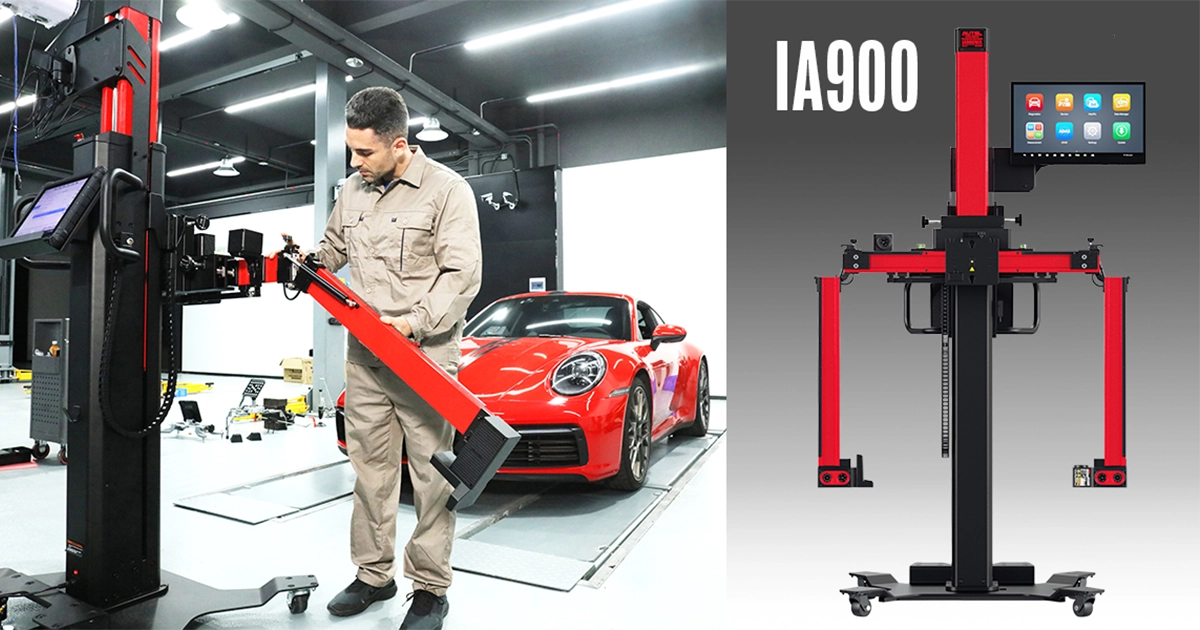
A windshield replacement can look like a simple repair, but modern vehicles make the job more complicated. Many cars use cameras and sensors mounted near the windshield to support safety features such as lane departure warnings and automatic emergency braking. After replacement, Advanced adas calibration helps ensure these systems continue reading the road correctly. Understanding when and why calibration is necessary can help drivers avoid unexpected safety-system errors.
What Is ADAS Calibration?
Advanced Driver Assistance Systems, commonly called ADAS, use cameras, radar, ultrasonic sensors, and other components to monitor the vehicle's surroundings. Depending on the vehicle, these systems can support functions such as lane keeping, adaptive cruise control, forward collision warnings, traffic-sign recognition, and automatic emergency braking.
When a windshield-mounted camera is involved, its position matters. Even a small change in the camera's angle can affect what it sees and how the vehicle's computer interprets road markings, vehicles, pedestrians, and other objects.
ADAS calibration is the process of checking and adjusting these sensors or cameras so they meet the vehicle manufacturer's specifications. Technicians may use specialized targets, diagnostic equipment, measuring tools, or road-based procedures depending on the vehicle.
The exact procedure varies by make and model. Therefore, technicians should follow the manufacturer's service information instead of using one universal calibration method.
Why Windshield Replacement Can Affect ADAS
Many modern vehicles have forward-facing cameras positioned behind or near the windshield, often around the rearview mirror area. The camera looks through the glass to detect information in front of the vehicle.
Replacing the windshield can affect this setup in several ways.
Camera Position Can Change
A camera needs to sit at a specific angle and location. If the replacement windshield has slightly different positioning or if the camera bracket is not installed correctly, the camera's field of view can change.
The difference may be difficult to notice from the driver's seat. However, the vehicle's safety system can be sensitive to small positioning changes.
Windshield Design Matters
A replacement windshield is not simply a sheet of glass. Depending on the vehicle, it may contain or accommodate camera brackets, heating elements, special coatings, or other features required by the original equipment design.
Using the correct windshield specification and installing it properly can therefore be important before calibration begins.
Vehicle Geometry Also Plays a Role
Calibration does not depend only on the camera itself. Vehicle ride height, wheel alignment, tire condition, and other factors can influence sensor positioning on some vehicles.
For this reason, technicians should inspect the vehicle and follow the appropriate manufacturer procedures before completing calibration.
What Happens During ADAS Calibration?
The calibration process depends on the vehicle and the systems installed. Some vehicles require a stationary procedure, while others may require a dynamic road test. Some may require both.
Static Calibration
During static calibration, a technician positions the vehicle and calibration equipment in a controlled environment. Special targets are placed at specified distances and heights from the vehicle.
The camera or sensor reads these targets, while diagnostic equipment communicates with the vehicle's electronic systems. The technician then follows the manufacturer's procedure to make the necessary adjustments.
Accurate measurements are especially important because the calibration target must be positioned correctly.
Dynamic Calibration
Dynamic calibration takes place while the vehicle is driven under specific conditions. The vehicle's system may need to recognize lane markings, road features, or other environmental information during the drive.
The technician follows a prescribed route or set of operating conditions. Weather, road markings, traffic, and vehicle speed can sometimes affect whether the procedure can be completed successfully.
Why Both Methods Are Not the Same
Not every vehicle uses the same calibration method. Some models may rely primarily on static calibration, while others use dynamic procedures or a combination.
That is why a technician should identify the vehicle's exact requirements before deciding how calibration should be performed.
When Is ADAS Calibration Needed After Windshield Repair?
Not every windshield repair automatically requires calibration. The answer depends on the vehicle's design, the type of work performed, and the location of its ADAS components.
Calibration may be required when:
- The windshield is replaced on a vehicle with a windshield-mounted ADAS camera.
- A camera or sensor is removed or repositioned during the repair.
- The vehicle manufacturer's service instructions require calibration after windshield replacement.
- A warning light or ADAS-related message appears after the repair.
- Diagnostic testing identifies a camera or sensor alignment issue.
- The vehicle has experienced an event that could affect sensor positioning.
- The windshield camera bracket or related mounting components have been disturbed.
Drivers should not assume that calibration is unnecessary simply because the vehicle starts and drives normally after a windshield replacement.
What Can Happen If Calibration Is Incorrect?
ADAS features are designed to assist drivers, not replace attentive driving. However, these systems depend on accurate sensor information.
If a forward-facing camera is misaligned, a lane-related feature may not interpret road markings as intended. Depending on the system and the nature of the error, a driver may see warning messages, disabled features, or unexpected system behavior.
For example, imagine a vehicle traveling on a clearly marked highway. If the camera's view is not properly aligned, the system may have difficulty recognizing lane boundaries.
This does not necessarily mean the vehicle will suddenly behave dangerously. Modern systems include diagnostics and safeguards, and many will alert the driver when a system is unavailable. Still, an unresolved calibration issue should not be ignored.
Common ADAS Systems Affected by Windshield Work
Different vehicles offer different combinations of driver-assistance technologies. Some commonly associated systems include:
| ADAS Feature | What It Can Help Monitor | Why Camera Alignment Matters |
|---|---|---|
| Lane Departure Warning | Lane markings | Camera needs an accurate view of lane boundaries |
| Lane Keeping Assist | Lane position | Misalignment can affect lane detection |
| Forward Collision Warning | Vehicles and obstacles ahead | Camera position can influence object recognition |
| Automatic Emergency Braking | Potential front-end hazards | Accurate sensing supports system operation |
| Traffic Sign Recognition | Road signs | Camera must correctly view signs |
| Adaptive Cruise Control | Traffic ahead | May use camera and/or radar information |
The table shows why a windshield-mounted camera can be important to several vehicle functions at the same time.
How Technicians Check ADAS Calibration
A proper calibration process involves more than connecting a diagnostic scanner and clearing a warning light.
1. Identify the Vehicle
The technician first determines the vehicle's year, make, model, trim, and installed driver-assistance features. This information helps establish the correct service procedure.
2. Inspect the Camera and Mounting Area
The camera, bracket, windshield, and surrounding components should be inspected. The technician may also check for installation issues that could prevent successful calibration.
3. Check Required Measurements
Depending on the vehicle, measurements may include vehicle centerline, target distance, target height, floor conditions, and other specifications.
4. Perform the Required Procedure
The technician carries out the appropriate static, dynamic, or combined calibration procedure according to manufacturer instructions.
5. Confirm System Status
After calibration, diagnostic equipment can help verify system status. The technician should also confirm whether any warning messages or diagnostic trouble codes remain.
This structured process helps distinguish actual calibration from simply resetting a warning indicator.
Signs Your Vehicle May Need Attention After Windshield Replacement
Drivers should pay attention to changes after windshield work. Some signs are obvious, while others appear as dashboard messages.
Watch for:
- ADAS warning lights
- Messages stating that a safety feature is unavailable
- Lane-assistance systems becoming unavailable
- Forward-collision warnings that appear unexpectedly
- Camera-related error messages
- Features that worked before the windshield replacement but no longer operate
- A service notification related to driver-assistance systems
A warning does not always mean that calibration is the only problem. It could indicate another sensor, electrical, software, or installation issue. A qualified technician should diagnose the cause instead of assuming the solution.
How Drivers Can Prepare for Calibration
Vehicle owners can make the process easier by providing useful information to the repair facility.
Tell the Technician About Previous Repairs
If the vehicle recently had suspension, wheel alignment, body, or collision repairs, mention them. These repairs may be relevant to sensor positioning or vehicle geometry.
Ask Which Systems Require Calibration
The technician should be able to explain whether the vehicle has a windshield-mounted camera and whether the manufacturer specifies a calibration procedure after the work.
Keep the Dashboard Information
If an ADAS warning appears, take note of the exact message. A photo of the dashboard can also help the technician understand what the vehicle reported.
Use the Correct Replacement Glass
The replacement windshield should meet the requirements for the vehicle. A windshield designed for a camera-equipped system may have specifications that differ from ordinary glass.
ADAS Calibration vs. Simple Diagnostic Reset
These two services are not necessarily the same.
A diagnostic reset can clear certain stored codes or messages when appropriate. Calibration, however, involves establishing or verifying the correct alignment or operating parameters of a sensor or camera.
Clearing a warning without addressing the underlying issue does not prove that the camera is correctly positioned.
For that reason, drivers should ask what procedure was actually performed. A clear dashboard does not automatically demonstrate that every ADAS component has been properly calibrated.
Why Manufacturer Procedures Matter
Vehicle manufacturers design ADAS systems around specific sensors, cameras, software, and mounting locations. As a result, calibration procedures can differ considerably between vehicles.
A technician should consult current manufacturer information and use equipment appropriate for the vehicle whenever possible.
This is particularly important as vehicle technology continues to change. A procedure that applies to one model may not apply to another, even if the vehicles look similar.
Practical Questions to Ask Your Repair Shop
Before leaving a repair facility, drivers can ask a few straightforward questions:
- Does my vehicle have a windshield-mounted ADAS camera?
- Does the manufacturer require calibration after windshield replacement?
- Which calibration procedure does my vehicle require?
- Was the camera or sensor disturbed during the repair?
- Was calibration completed successfully?
- Were any diagnostic trouble codes found?
- Are all driver-assistance features operating normally?
These questions can help vehicle owners understand what work was performed rather than relying on assumptions.
How Proper Calibration Supports Safer Vehicle Operation
Driver-assistance technology depends on accurate information. Cameras and sensors provide that information to computer systems, which then use it to support specific driving functions.
Proper ADAS calibration helps ensure the camera or sensor is positioned according to the vehicle's specified requirements. While calibration cannot eliminate every limitation of a driver-assistance system, accurate sensor positioning is an important part of maintaining the system after relevant repairs.
Drivers should also remember that ADAS features have limitations. They can be affected by poor weather, obstructed sensors, faded lane markings, unusual road layouts, and other conditions.
The driver remains responsible for monitoring the road and controlling the vehicle.
Conclusion
A windshield replacement can involve more than restoring clear visibility. When a vehicle uses cameras or other driver-assistance sensors around the windshield, the repair can affect systems that depend on precise positioning. Proper ADAS calibration helps verify that those components meet the vehicle's required specifications after relevant repair work. Drivers should ask whether their vehicle requires calibration, what procedure was performed, and whether any warning messages remain. By treating calibration as an important part of the repair process rather than an optional extra, vehicle owners can better maintain the intended operation of their modern safety technology.
FAQs
1. Does every windshield replacement require ADAS calibration?
No. The requirement depends on the vehicle's design, installed ADAS technology, and the manufacturer's service instructions. Vehicles with windshield-mounted cameras may require calibration after replacement.
2. How long does ADAS calibration take?
The time varies by vehicle and procedure. Static calibration may require careful setup and measurements, while dynamic calibration can require a specific road test. Additional diagnosis may be necessary if the system does not calibrate successfully.
3. Can I drive without calibration after replacing my windshield?
If the vehicle manufacturer requires calibration, drivers should follow the repair facility's guidance and avoid assuming that the system is operating correctly without it. Some vehicles may display a warning when an ADAS function is unavailable.
4. Is ADAS calibration the same as resetting a warning light?
No. A warning reset and a calibration procedure serve different purposes. Resetting a message does not necessarily confirm that a camera or sensor is correctly aligned.
5. What should I ask after windshield replacement?
Ask whether your vehicle requires calibration, which systems were affected, whether calibration was completed, and whether any diagnostic codes or warnings remain. Requesting this information can help you understand the condition of the vehicle's driver-assistance systems.
Comments