When Should You Schedule An Adas Calibration Check?
A vehicle’s safety systems can only perform correctly when every sensor and camera is properly aligned. Even a minor change to your windshield, suspension, or wheel alignment can affect how these systems interpret the road. Many drivers do not realize that Mobile adas calibration may be necessary after routine repairs or unexpected incidents. Understanding the right time to schedule a calibration check helps maintain safety, improve performance, and prevent costly issues later.
Understanding the Purpose of ADAS Calibration
Advanced Driver Assistance Systems rely on cameras, radar sensors, and other technologies to support safer driving. Features such as lane departure warnings, adaptive cruise control, automatic emergency braking, and blind-spot monitoring depend on accurate measurements.
An adas calibration process ensures these components communicate correctly with the vehicle. Proper calibration helps the system recognize lane markings, nearby vehicles, pedestrians, and road conditions as intended by the manufacturer.
Without accurate calibration, safety features may provide incorrect warnings or fail to react appropriately during critical driving situations.
Why Calibration Timing Matters
Vehicle safety technology operates within strict tolerances. A camera positioned slightly off-center can change how the system interprets distance and positioning.
Scheduling calibration at the right time reduces the risk of inaccurate readings. It also helps maintain the reliability of driver-assistance features that many motorists depend on every day.
Ignoring calibration requirements may compromise vehicle safety and potentially increase repair costs if problems remain undetected.
Schedule Calibration After Windshield Replacement
Windshield replacement is one of the most common reasons for an adas calibration check. Many front-facing cameras are mounted directly behind the windshield.
During replacement, technicians remove and reinstall components that support these cameras. Even careful installation can alter positioning by a small amount.
Manufacturers often recommend calibration immediately after windshield replacement to ensure camera accuracy. Skipping this step may affect lane-keeping assistance and forward-collision warning systems.
Check Calibration Following Collision Repairs
Minor Accidents Can Affect Sensor Alignment
Many drivers assume calibration is only necessary after severe accidents. However, even low-speed collisions can shift sensors or mounting brackets.
A small impact to the front or rear bumper may change radar positioning enough to affect system performance. Scheduling a calibration check after repairs helps verify that all safety systems function correctly.
Structural Repairs May Require Additional Testing
Repairs involving frame adjustments, bumper replacement, or body panel work often influence sensor alignment. Technicians typically recommend recalibration whenever these components are repaired or replaced.
This additional step confirms that vehicle safety systems continue operating according to manufacturer specifications.
Perform Calibration After Wheel Alignment Services
Wheel alignment affects how a vehicle travels down the road. Since many ADAS features rely on precise directional measurements, alignment changes can influence sensor readings.
A vehicle that previously pulled slightly to one side may travel differently after alignment correction. Consequently, calibration may be necessary to synchronize driver-assistance systems with the vehicle's updated positioning.
Combining alignment and calibration services often produces the most accurate results.
Suspension Modifications Can Trigger Calibration Needs
Changes to suspension height alter vehicle geometry. Lift kits, lowering kits, new springs, and suspension repairs can all affect camera and radar angles.
These modifications may cause sensors to view the road differently than intended. As a result, the vehicle's safety systems may require recalibration.
Drivers who customize their vehicles should consult qualified technicians to determine whether calibration is necessary after modifications.
Tire Changes and Their Impact on Safety Systems
Replacing tires alone does not always require calibration. However, significant changes in tire size can alter vehicle ride height and handling characteristics.
Larger or smaller tires may affect sensor positioning relative to the road. In some situations, calibration helps maintain accurate measurements and system reliability.
Consulting a calibration specialist after substantial tire changes is a smart precaution.
Warning Signs That Indicate Calibration May Be Needed
Certain symptoms suggest that vehicle safety systems may no longer be operating correctly.
- Unexpected warning lights on the dashboard
- Frequent false collision alerts
- Lane departure warnings activating incorrectly
- Adaptive cruise control behaving unpredictably
- Blind-spot monitoring errors
- Sudden deactivation of safety features
Any of these signs should prompt a professional inspection. Early diagnosis often prevents larger issues from developing.
How Environmental Factors Can Affect Calibration Accuracy
Road conditions and environmental factors can sometimes contribute to calibration concerns. Potholes, curb impacts, and rough terrain may place stress on vehicle components.
Repeated exposure to harsh driving conditions can gradually affect sensor positioning. Although changes may be subtle, they can influence system performance over time.
Regular inspections help identify potential issues before they affect driving safety.
The Difference Between Static and Dynamic Calibration
Understanding calibration methods helps vehicle owners appreciate the importance of the process.
Static Calibration
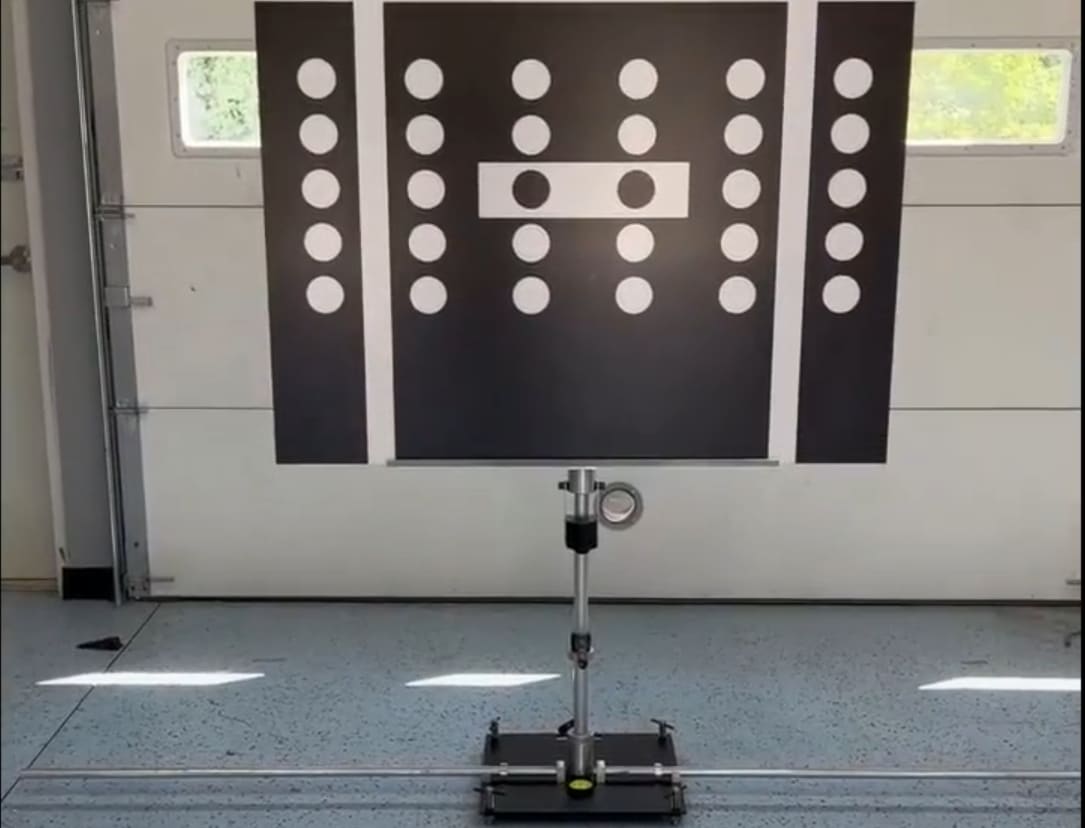
Static calibration occurs in a controlled environment using specialized targets, measurement equipment, and manufacturer-specific procedures.
Technicians position calibration tools precisely around the vehicle to adjust sensors and cameras. This method offers highly controlled conditions for accurate results.
Dynamic Calibration
Dynamic calibration takes place while driving under specified road conditions. The vehicle collects real-time information that allows systems to self-adjust.
Some manufacturers require dynamic calibration alone, while others recommend a combination of static and dynamic procedures.
Professional technicians determine the correct approach based on manufacturer guidelines.
Benefits of Scheduling Calibration Promptly
Timely calibration offers several important advantages. Drivers gain confidence knowing their safety systems are functioning properly.
Prompt service can also:
- Improve system accuracy
- Support safer driving decisions
- Reduce false alerts
- Maintain manufacturer compliance
- Protect vehicle value
- Help identify hidden repair issues
Addressing calibration needs quickly minimizes potential risks associated with misaligned sensors.
How Often Should ADAS Systems Be Checked?
There is no universal schedule that applies to every vehicle. Calibration frequency depends on driving habits, repair history, and manufacturer recommendations.
Many experts suggest evaluating calibration whenever major repairs, windshield replacements, suspension work, or collision repairs occur. Routine inspections during regular maintenance visits can also help identify concerns.
Reviewing your owner's manual provides guidance specific to your vehicle model.
Choosing a Qualified Calibration Provider
Not every repair facility has the equipment necessary for accurate calibration. ADAS systems require specialized tools, controlled procedures, and trained technicians.
Before scheduling service, verify that the provider follows manufacturer specifications. Ask about technician certifications, calibration equipment, and testing procedures.
A qualified facility can help ensure accurate results and dependable system performance.
The Cost of Ignoring Calibration Requirements
Skipping calibration may seem like a way to save money, but it often creates greater risks. Inaccurate sensor readings can affect safety system performance when drivers need assistance most.
Misaligned systems may also contribute to unnecessary repairs if technicians must diagnose recurring warning lights or performance issues later.
Investing in proper calibration helps protect both vehicle occupants and long-term vehicle reliability.
Conclusion
ADAS technology has become an important part of modern vehicle safety, but its effectiveness depends on precise sensor and camera alignment. Scheduling an adas calibration check after windshield replacement, collision repairs, wheel alignments, suspension modifications, or other relevant services helps maintain system accuracy and performance. Paying attention to warning signs and following manufacturer recommendations can prevent safety concerns before they develop into larger problems. By acting promptly and choosing a qualified calibration provider, drivers can help ensure their vehicle's advanced safety features continue working as intended, delivering greater confidence and protection on every journey.
Comments