Vintage ammunition crates have stood the test of time—literally. Originally built for function rather than form, these sturdy wooden boxes have become symbols of rugged design and craftsmanship. Whether discovered in a barn, a military surplus store, or repurposed as home décor, their condition decades later often leaves people in awe. So what exactly makes these crates so durable? From the materials used to the construction techniques and even the environmental factors they were built to endure, these boxes are more than just relics—they’re lessons in functional engineering.
Today, vintage ammo crates are prized not only by collectors but also by enthusiasts who appreciate their resilience and aesthetic value. Products modeled after these time-tested boxes, like modern Wooden Ammo Boxes, draw inspiration from the same principles of design and durability that made their predecessors last for decades.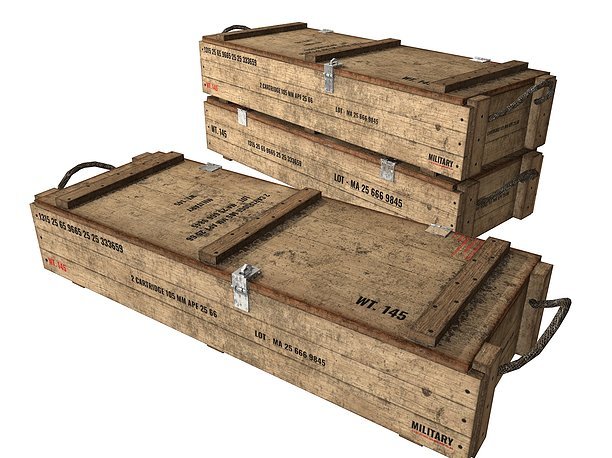
Key Points
- The durability of vintage ammo crates stems from their high-quality materials and thoughtful construction methods.
- Military specifications played a big role in ensuring these crates were built to withstand harsh environments.
- Features like dovetail joints, reinforced corners, and moisture-resistant finishes contributed to their longevity.
- Proper storage and minimal exposure to elements have preserved many crates in near-perfect condition.
- Modern replicas continue to use traditional techniques to replicate their durability and charm.
1. Historical Context: Why Durability Was Essential
During the 20th century—especially through World Wars I and II, the Korean War, and the Vietnam War—the U.S. military required storage that could endure transport, moisture, and rough handling in the field. Ammunition was a critical resource and needed protection from environmental harm and physical damage. Crates were designed not only to store but also to preserve the integrity of their contents for years, if not decades.
Military Specifications and Standards
Each crate design had to meet strict military specifications (MIL-SPEC). These outlined the type of wood, dimensions, fastening methods, and weatherproof coatings required. Such standards ensured uniformity and performance, regardless of the crate’s place of origin or specific military branch using it.
2. Superior Materials: The Backbone of Longevity
The materials used in vintage ammo crates are a primary reason for their long-lasting nature. Most were constructed from hardwoods like oak, ash, or pine, which offer natural resistance to wear and decay. These woods were not only abundant but also chosen for their strength-to-weight ratio.
Types of Wood Used
- Oak: Known for its exceptional hardness and resistance to fungal decay.
- Pine: Lightweight and easy to work with, ideal for mass production.
- Ash: Strong and flexible, providing shock resistance during transport.
Many crates also featured plywood panels for weight reduction without compromising on stability. The combination of solid wood frames and plywood panels allowed for a balance between strength and economy.
3. Joinery and Construction Techniques
Durable construction wasn’t just about materials—it was also about how those materials were put together. One of the most striking features of vintage ammo crates is their use of time-tested woodworking joints that added mechanical strength and reduced reliance on metal fasteners.
Dovetail and Finger Joints
These interlocking joints distribute stress evenly and prevent the box from coming apart under pressure or over time. Unlike simple butt joints, they don’t rely solely on nails or screws, which can loosen with age.
Reinforced Corners and Edges
Metal brackets and steel bands were often used to reinforce corners and edges, minimizing wear from drops and stacking. These reinforcements not only prevented damage but also added a layer of protection against moisture and pests.
4. Protective Coatings and Treatments
Vintage crates were often coated with weather-resistant sealants, waxes, or oils. These treatments helped repel moisture, reduce mold formation, and prevent wood rot. Some crates were also tarred or treated with creosote, a common anti-fungal and insect repellent.
Paint and Labeling
Military crates were typically painted olive drab or dark green to blend into environments and resist sun damage. Stencils provided labeling that was both informative and resistant to wear, often remaining legible decades later.
5. Designed for Harsh Environments
These boxes weren’t sitting on shelves—they were shipped across oceans, dragged through muddy trenches, and stored in humid jungles. They had to endure:
- Fluctuating temperatures
- High humidity and rainfall
- Rough handling during transport
- Stacking and compression in storage facilities
Because of this, they were over-engineered with durability in mind. Loose-fitting lids allowed for expansion and contraction, while tongue-and-groove seals kept out dust and moisture.
6. Longevity Through Maintenance and Repurposing
Many of the crates that survive today did so because they continued to be useful even after their original purpose ended. Farmers used them for tool storage, mechanics for parts organization, and civilians for home storage. This reuse kept them out of landfills and in well-ventilated, dry spaces.
Some even received regular maintenance—re-sanding, oiling, or minor repairs—which greatly extended their lifespans. The practicality and versatility of the original design allowed them to adapt easily to new roles.
7. Modern Applications and Replicas
Today, vintage ammunition crates are finding a second life as decorative and functional pieces. From rustic shelves and coffee tables to secure storage boxes, their appeal lies in both looks and durability. Modern Wooden Ammo Boxes borrow from these designs, often using similar wood species, joinery methods, and finishes to create new products with old-school resilience.
Collectors and designers alike appreciate these crates for their ability to bridge utility and aesthetics. Their age is not a drawback but a testament to their enduring design.
8. Tips for Identifying Authentic Crates
If you're interested in collecting or using vintage crates, here are a few markers of authenticity to look out for:
- Stenciled Lettering: Authentic stencils will often include lot numbers, calibers, and manufacturing dates.
- Joinery: Look for dovetail or finger joints instead of simple glued or nailed corners.
- Materials: Real crates use real wood—watch out for veneers or MDF.
- Hardware: Original metal bands and hinges may show rust but will be solidly attached.
9. Preservation Tips
To preserve the condition of your vintage ammo crate, follow these tips:
- Store in a dry, ventilated area to prevent mold and moisture damage.
- Avoid prolonged sun exposure, which can cause fading and drying.
- Apply a light coat of linseed oil or beeswax to nourish the wood.
- Repair minor splits or cracks with wood glue and clamps to extend usability.
FAQ
Are vintage ammo crates safe to use for storage?
Yes, most are safe—especially if they’ve been cleaned and treated. However, avoid storing food unless the crate has been sanitized and lined, as some were treated with chemicals like creosote.
How old are most vintage ammo crates available today?
The majority found in the market today date from World War II to the Vietnam War era (1940s–1970s). Some older or newer models are available, but these decades saw the highest production volume.
Can I restore a damaged crate?
Absolutely. Sanding, oiling, and minor repairs can bring a damaged crate back to life. However, over-restoring may reduce its collectible value, so proceed with care if you're preserving it for historical purposes.
Are modern replicas as durable as the originals?
Many modern replicas are built to the same standards, especially when made from solid wood and traditional joinery methods. However, always check the materials and construction when durability is a priority.
What sizes do vintage ammo crates come in?
Sizes vary based on the type of ammunition they were designed to hold—ranging from small boxes for handguns or grenades to larger crates for artillery shells or mortar rounds.
Comments