The Philippines has always been one of the premier holiday destinations for people living in Japan. As a Japanese citizen, you may be looking to stay in the Philippines for more than the 30-day visa-free period, or perhaps you are a foreign national (Indian, Chinese, or Nepali) living in Tokyo, Osaka, or Nagoya. The recent implementation of the Philippines e-Visa process has completely changed the way you organize your holiday in this tropical paradise.

If you are interested in applying for a Philippines e-visa from Japan, this ultimate guide will walk you through the online application process for Japan residents.
What is the Philippines e-Visa and who can apply from Japan?
The Philippines e-Visa is an electronic travel visa that enables eligible foreign nationals living in Japan to apply for a Temporary Visitors Visa online. Unlike the regular sticker visa, which needs several visits to the Philippine Embassy in Tokyo or the Consulate in Osaka, the Philippines e-Visa can be processed from a distance. The Philippines e-Visa is intended for tourism, business, and short stay purposes only.
Do I need a visa to stay longer than 30 days in the Philippines?
Yes. Although Japanese nationals do not need a visa to enter the Philippines for a stay of up to 30 days, many people will need to stay longer for business or vacation purposes. If you need to stay longer than 30 days, the easiest visa to obtain is the e-Visa, which will allow you to stay for 59 days before you even leave from Narita or Haneda.
What are the various types of visas in the Philippines, and how long are they valid for?
When applying for the visa online, you will be required to select the type of visa that suits your purpose of visiting the country.
| Visa Type | No. of Entries | Max. Stay | Validity |
| Temporary Visitors Visa | Single | 30 - 59 days | 90 days |
| Temporary Visitors Visa | Multiple | 30 days | 180 Days |
| Temporary Visitors Visa | Multiple | 30 days | 1 Year |
What are the Mandatory Requirements for the Philippines Visa?
To get a high approval rate, you need to gather digital copies of the following Requirements for Philippines Visa:
- Passport Bio Page: A clear scan of your passport that is valid for at least six months.
- Passport Photo: A recent digital photo with a white background (ICAO standard).
- Accommodation Proof: Hotel reservations or a letter of invitation from a host.
- Travel Itinerary: Round-trip flight reservations.
- Proof of Funds: Bank statements (last 6 months) or credit card copies to demonstrate your financial ability.
- Residence Card (for non-Japanese): A scan of your Zairyu Card to show that you are lawfully residing in Japan.
What is the step-by-step Philippines e-Visa application process?
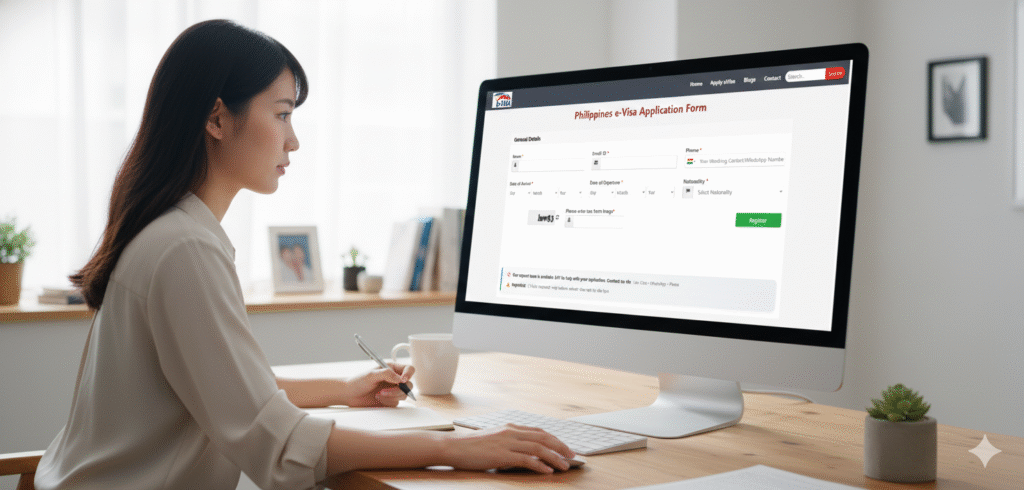
- Form Filling: Fill out your personal, passport, and travel information.
- File Upload: Upload the necessary files as mentioned above.
- Payment: Pay the visa fee using a valid credit/debit card.
- Status Check: Wait for the notification through an email.
- Download e-Visa: Download and print your e-Visa after approval to show at immigration.
How long does the Philippines e-Visa processing take in Japan?
Time is of the essence when organizing your travel. Based on your level of urgency, you can select from the following processing options:
- Standard Processing Time: 10-17 Working Days
- Rush Processing Time: 7-15 Working Days
- Super Rush Processing Time: 5-7 Working Days
Do you require a Philippines Transit Visa for layovers?
If you are transiting from Manila (NAIA) to a third country, you should know the requirements for Philippines Transit Visa:
- International to International: If you are staying in the transit area and your luggage is checked through, you will not need a visa.
- Terminal Changes: If you are required to change terminals, you will need to go through immigration and will require a valid e-Visa or a pre-arranged Philippines Transit Visa.
- Layover duration: Layovers over 24 hours but less than 72 hours will require a Transit Visa if you plan to leave the airport.
Why is a return ticket necessary for entry?
"No Return Ticket, No Entry" policy is strictly enforced by Philippine Immigration.
- Verifiable PNR: Your ticket should have a valid Passenger Name Record (PNR) that can be verified by immigration officers.
- Onward Travel: If you are not returning to Japan, you need to present a return ticket to Singapore or Vietnam, which should be within your visa validity period.
Is UPI working for payments at the Philippines e-Visa Help Desk?
For Indian citizens in Japan using specialized assistance services:
- Global Support: Most third-party support help desks have started accepting UPI payments for service charges, as there is a huge Indian community in Japan.
- Official Fees: The fees for using the official government portal are usually limited to International Credit/Debit cards (Visa/Mastercard).
Should you opt for an eSIM or a physical SIM card for your travel?
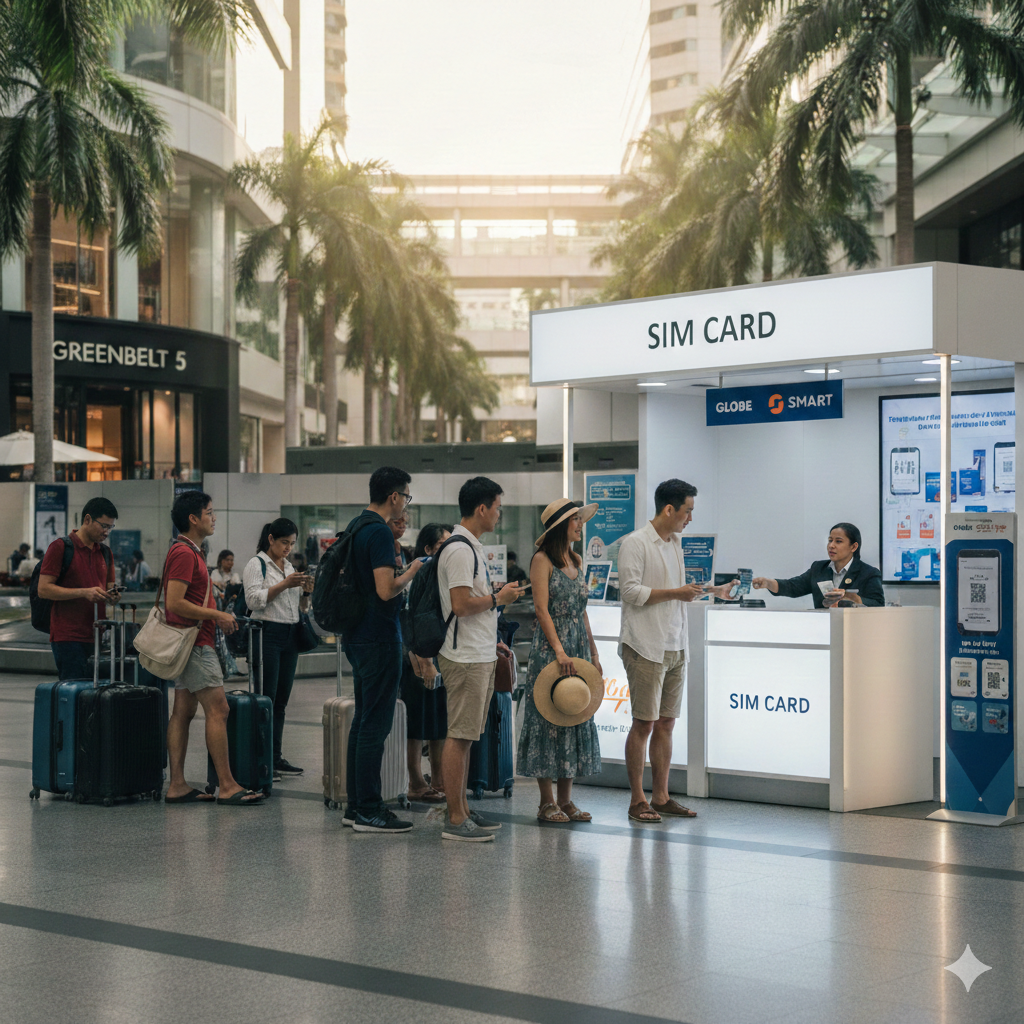
Staying connected is essential for accessing your digital e-Visa and eTravel QR codes:
- eSIM (Recommended): Convenience is the best option. You can buy and activate your Philippines eSIM (Globe or Smart) even while in Japan.
- Physical SIM: Available at Manila and Cebu airports. Sometimes cheaper for long-term stays, but you have to line up at a kiosk when you arrive.
What are the Sustainable Travel Taxes and environmental fees?
The Philippines is an eco-tourism-friendly country. Be ready for:
- Local Environmental Fees: Some popular destinations such as El Nido, Coron, and Boracay impose a "Local Eco-Tax" or "Environmental Fee" in cash.
- Travel Tax: Although foreign visitors are exempt from the "Philippine Travel Tax," it is best to verify with your airline if all terminal fees are already covered by your air ticket.
How may the Application Help Desk Agent (visa-philippines.info) assist you?
If the official government website appears too daunting, there are professional help desks available that offer the following:
- Pre-check Service: Visa-philippines.info will check your application for approval before you submit it.
- Real-time Updates: Receive notifications regarding the status of your application without having to access the government website every now and then.
- Correction Support: Quick assistance in case you typed a mistake in your submitted application.
Why might a Philippines e-Visa application be rejected?
To prevent any issues with the processing of your application, make sure that:
- Your passport is valid for at least 6 months and has at least two blank pages.
- Your photo is taken according to ICAO standards (no glasses, clear focus).
- Your financial documents display your name clearly and have a stable balance.
- All details provided in the form are identical to those in your passport.
Can I extend my stay in the Philippines if I have already entered the country using an e-Visa?
The e-Visa is usually valid for a fixed period of time and cannot be extended online. However, if you are already in the Philippines and would like to extend your stay, you will need to go to the BI local office at least a week prior to the expiration of your stay.
What happens if my e-Visa application is not approved, and how can I get a refund?
It is important to understand the financial aspect of your application:
- Non-Approval of Visa: If your application is not approved by the immigration authorities, you may be eligible for a refund of the visa fee. However, the processing fee is non-refundable.
- Cancellation by Applicant: If you cancel your application before processing, you can make a request for a refund. However, after your application is "In-Process" with the embassy, the fee is non-refundable.
What are the key tips to ensure a smooth landing in Manila or Cebu?
- Print your documents: Although electronic copies are accepted, it is always best to have a hard copy of your e-Visa and eTravel QR code to avoid problems with your phone battery.
- Return Ticket: Philippine Immigration is very particular about seeing evidence of your return ticket to Japan.
Conclusion: Is your e-Visa ready for your Philippine adventure?
The Philippines e-Visa is a game-changer for residents in Japan, removing the traditional barriers to entry. By following the requirements and selecting a good processing partner, you can focus on what matters most: enjoying the world-class beaches of Boracay, the lagoons of El Nido, or the business hubs of Makati.
Comments