How Welding And Fabrication Improve Industrial Projects
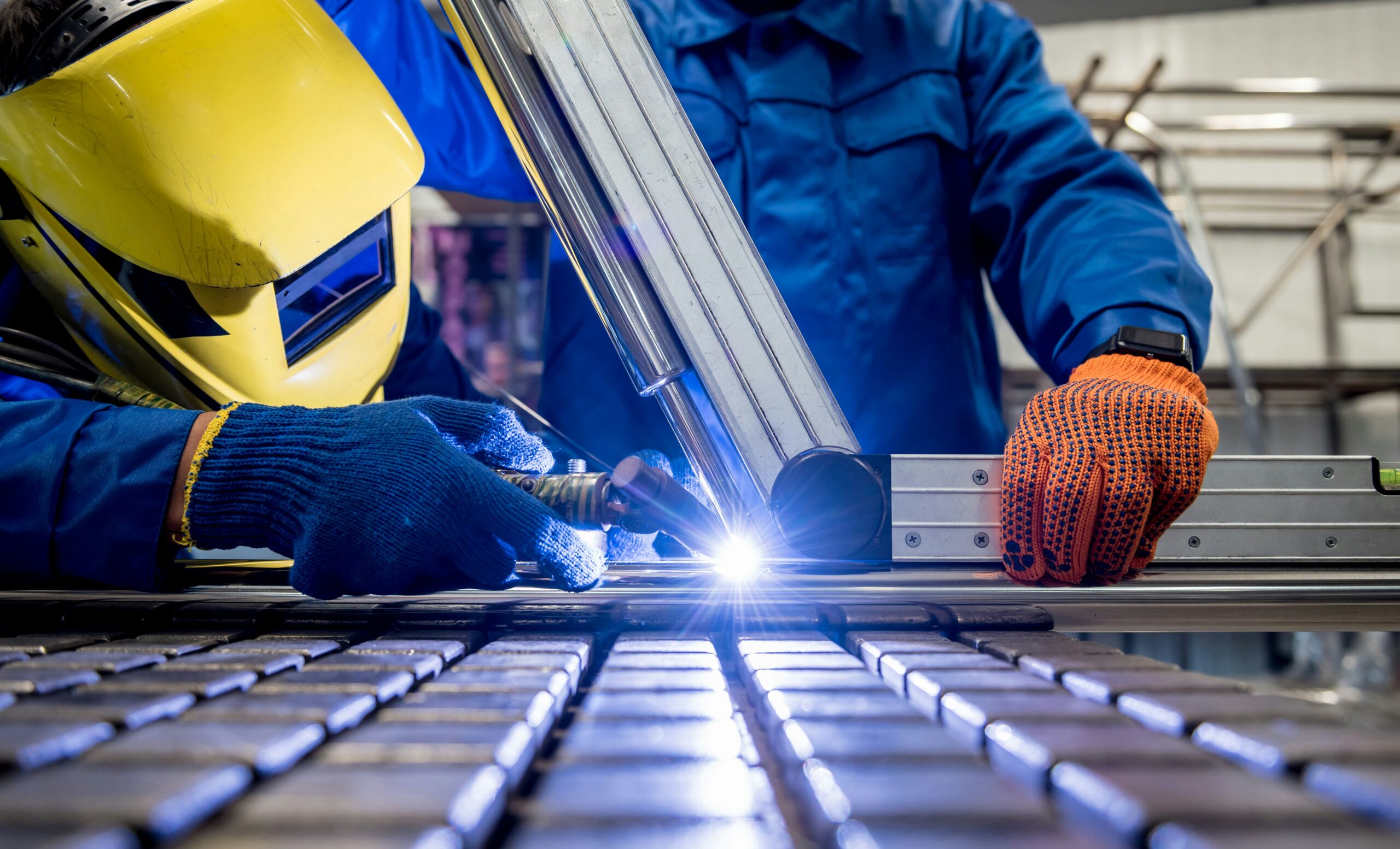
A weak joint, inaccurate measurement, or poorly finished component can delay an entire industrial project. That is why manufacturers rely on skilled Welding and fabrication near me services to build dependable structures and components that meet demanding production requirements. From machinery frames to support systems, properly planned metalwork improves strength, accuracy, safety, and durability while helping businesses control costs and keep projects moving.
Why Welding and Fabrication Matter in Manufacturing
Industrial manufacturing involves equipment, structures, frames, enclosures, platforms, piping supports, and countless custom components. Many of these applications require metal parts that can withstand heavy loads, repeated movement, heat, vibration, and demanding operating conditions.
Welding and fabrication bring these individual metal components together into functional products. Fabrication focuses on cutting, bending, forming, drilling, shaping, and preparing metal, while welding joins components into strong assemblies.
When both processes work together, manufacturers can create parts that match specific project requirements instead of depending entirely on standard components. This flexibility becomes especially useful when a facility needs custom equipment, replacement parts, structural modifications, or specialized assemblies.
Key Ways Welding and Fabrication Improve Industrial Projects
Several factors make professional metalwork valuable to modern manufacturing operations. The right approach can affect everything from structural performance to production efficiency.
| Benefit | How It Helps Industrial Projects |
|---|---|
| Structural strength | Creates durable assemblies that handle demanding loads |
| Customization | Allows components to match specific project requirements |
| Precision | Helps maintain accurate dimensions and consistent fit |
| Durability | Improves resistance to wear and operating stresses |
| Efficiency | Reduces unnecessary rework and installation delays |
| Safety | Supports reliable structures and properly assembled components |
| Cost control | Helps reduce material waste and repeated repairs |
| Maintenance | Makes replacement and modification work more practical |
These benefits are closely connected. Better fabrication can improve fit, while accurate welding can strengthen the final assembly. As a result, manufacturers can address several project challenges through one coordinated process.
Stronger and More Reliable Structures
Industrial equipment often operates under significant mechanical stress. Frames, brackets, platforms, guards, supports, and machine components must remain stable during regular use.
A properly designed welded assembly can provide the strength needed for these applications. Skilled welders select suitable techniques and materials based on factors such as metal type, thickness, joint design, and intended use.
However, strength does not come from welding alone. Fabrication accuracy also matters. If components are incorrectly cut or positioned, even a properly completed weld may not produce the desired final result.
For this reason, manufacturers should treat fabrication and welding as connected stages rather than separate tasks.
Supporting Heavy-Duty Applications
Manufacturing environments can expose metal components to vibration, repeated loads, temperature changes, and impact. Industrial assemblies therefore need to be designed with their working environment in mind.
Professional fabrication helps create components with appropriate dimensions and joint configurations. Welding then provides the connections required to turn those individual pieces into a functional assembly.
This approach can be particularly useful for machine bases, structural supports, material-handling equipment, production platforms, and custom frames.
Greater Customization for Manufacturing Needs
Not every industrial project can use an off-the-shelf component. Production lines may have limited space, unusual dimensions, existing equipment, or specialized operating requirements.
Custom fabrication gives manufacturers more flexibility. A fabricator can modify dimensions, openings, mounting points, shapes, and other details to suit a particular application.
For example, a manufacturing facility may need a replacement bracket that is no longer available from the original equipment supplier. Rather than redesigning the entire system, a properly measured custom component may solve the problem.
This flexibility can also help during facility upgrades. Existing machinery can present unique challenges that standard products cannot address efficiently.
Improved Precision and Fit
Accuracy is critical when multiple components must work together. Small dimensional errors can create alignment problems, installation difficulties, or unnecessary adjustments.
Fabrication processes can be planned around precise measurements and project drawings. Depending on the application, manufacturers may use cutting, drilling, bending, forming, and other processes to achieve the required dimensions.
Accurate welding also matters because heat can affect metal during the joining process. Experienced professionals understand how welding methods and joint preparation can influence the final assembly.
Why Proper Measurements Matter
Before fabrication begins, project teams should confirm important measurements, material specifications, tolerances, connection points, and installation requirements.
A practical checklist may include:
- Required material type and thickness
- Overall component dimensions
- Hole and mounting locations
- Load or operating requirements
- Joint types
- Surface preparation needs
- Finishing requirements
- Installation conditions
Taking these details seriously at the beginning can reduce expensive corrections later.
Better Project Efficiency
Manufacturing projects often operate under tight schedules. Delays caused by incorrect components, poor fit, or repeated repairs can affect production and increase labor costs.
Coordinated welding and fabrication can help reduce these problems. When the design, material selection, fabrication, and welding stages are planned together, workers have a clearer understanding of the final requirements.
This can also simplify installation. Components that arrive properly fabricated and prepared may require fewer adjustments at the job site.
Reducing Rework
Rework is one of the hidden costs of industrial projects. A component may need to be cut again, rewelded, modified, or completely replaced if it does not meet specifications.
Clear drawings, accurate measurements, material verification, and quality checks can help prevent these situations.
Manufacturers should also communicate practical installation requirements to the fabrication team. Information about access, mounting, clearance, and operating conditions can make a significant difference.
Cost Savings Over the Project Life
The lowest initial price does not always represent the lowest overall project cost. A component that requires frequent repairs or replacement may become more expensive over time.
Quality metalwork can support long-term cost control by producing durable assemblies suited to their intended environment. Proper material selection and fabrication can also reduce unnecessary waste.
For instance, accurate cutting helps use raw material more efficiently. Likewise, producing a component correctly the first time can reduce labor associated with modifications and reinstallation.
The goal should not simply be to minimize fabrication costs. Instead, manufacturers should consider durability, maintenance, downtime, installation, and expected service life.
Improved Workplace Safety
Safety is an important consideration in every manufacturing environment. Structural components, machine supports, platforms, guards, and other fabricated parts must perform reliably during normal operation.
Poorly fitted or improperly assembled components can create avoidable risks. Professional welding and fabrication help manufacturers produce assemblies according to defined specifications and appropriate quality practices.
Safety also depends on the design itself. Fabricators should understand how a component will be installed and used rather than focusing only on how it looks when completed.
Planning for Safe Installation
A well-fabricated component should be practical to install and maintain. Teams can consider lifting points, access areas, mounting locations, clearances, and future service requirements during the design stage.
This forward planning can make installation more efficient while reducing unnecessary handling or modifications.
Supporting Equipment Repairs and Upgrades
Industrial equipment eventually requires maintenance. Components may wear out, become damaged, or need modification as production requirements change.
Custom fabrication can provide a practical solution when replacement components are difficult to source. A fabrication team can reproduce or modify a component based on measurements, drawings, samples, or engineering specifications.
This is particularly useful for older machinery. Manufacturers may operate equipment that is no longer supported by the original supplier. Custom metalwork can help extend the useful life of compatible equipment when appropriate.
Choosing the Right Welding and Fabrication Provider
Selecting a fabrication partner requires more than comparing prices. Manufacturers should consider whether the provider understands industrial applications and can meet the project's technical requirements.
Before hiring a provider, ask about:
- Experience with similar manufacturing projects
- Available welding and fabrication capabilities
- Material types and thicknesses supported
- Quality-control procedures
- Ability to work from drawings or specifications
- Expected production and delivery timelines
- Finishing and preparation services
- Previous industrial applications
Clear communication should also be part of the selection process. A provider that asks detailed questions about the application is more likely to understand what the finished component needs to accomplish.
Practical Tips for Better Fabrication Results
Manufacturers can improve project outcomes by preparing thoroughly before fabrication begins.
Provide Complete Project Information
Share drawings, measurements, material specifications, load requirements, photographs, and installation details whenever available. More accurate information gives the fabrication team a stronger foundation for planning.
Confirm Materials Before Production
Different metals behave differently during cutting, forming, and welding. Confirming the material grade and thickness before work begins can help avoid compatibility and performance issues.
Discuss Tolerances Early
Not every dimension requires the same level of precision. Identifying critical measurements early helps the fabrication team focus attention where accuracy matters most.
Plan for Installation
Consider how the finished component will reach its final location. Access restrictions, lifting requirements, mounting points, and available workspace can influence the fabrication design.
Inspect Before Installation
A final inspection can identify dimensional issues, visible weld concerns, surface problems, or missing features before the component reaches the production floor.
The Role of Quality Control
Quality control should continue throughout the project rather than taking place only after fabrication is complete.
Teams can inspect material specifications, dimensions, joint preparation, weld appearance, and final assembly. Depending on the application, additional inspection or testing may be appropriate.
Documentation can also help maintain consistency. Records of materials, measurements, drawings, inspections, and project changes give manufacturers useful information for future maintenance or repeat orders.
Strong quality control does not simply identify problems. It helps prevent them from reaching later stages of production.
Applications Across Modern Manufacturing
Welding and fabrication support a wide range of industrial applications. Their flexibility makes them useful in facilities with different production methods and equipment.
Common applications include:
- Machine frames and bases
- Structural supports
- Industrial platforms
- Equipment guards
- Custom brackets
- Material-handling components
- Storage and support structures
- Maintenance and repair parts
- Custom enclosures
- Production equipment modifications
The exact fabrication method depends on the material, design, operating environment, and required performance.
Conclusion
Successful industrial projects depend on components that fit correctly, perform reliably, and withstand the conditions of daily operation. Welding and fabrication help manufacturers achieve these goals by combining structural strength, customization, precision, durability, and practical design. From building new equipment to repairing older machinery, professional metalwork can reduce rework, support safer operations, and improve long-term project value. Manufacturers can get better results by providing accurate specifications, discussing requirements early, selecting suitable materials, and working with experienced professionals. With careful planning and quality control, fabricated metal components can become dependable parts of an efficient and productive manufacturing environment.
FAQs
What is the difference between welding and fabrication?
Fabrication involves processes such as cutting, bending, drilling, forming, and preparing metal components. Welding joins those components together to create a finished assembly. Many industrial projects use both processes together.
Why is custom fabrication useful for manufacturers?
Custom fabrication allows manufacturers to create components based on specific dimensions, equipment requirements, space limitations, and operating conditions. This can be useful when standard parts do not provide a suitable solution.
How can welding improve industrial equipment?
Proper welding can create strong connections between metal components. When the correct materials, joint designs, preparation methods, and welding procedures are used, welded assemblies can support demanding industrial applications.
What should manufacturers provide to a fabrication company?
Manufacturers should provide accurate drawings, dimensions, material specifications, photographs, installation information, and relevant operating requirements. Clear project information helps the fabricator produce a component that matches the intended application.
How can manufacturers reduce fabrication-related project delays?
Manufacturers can reduce delays by confirming measurements and materials before production, communicating installation requirements, reviewing drawings carefully, and performing appropriate inspections before components are installed.
Comments