How Should You Maintain And Care For Men Watches?
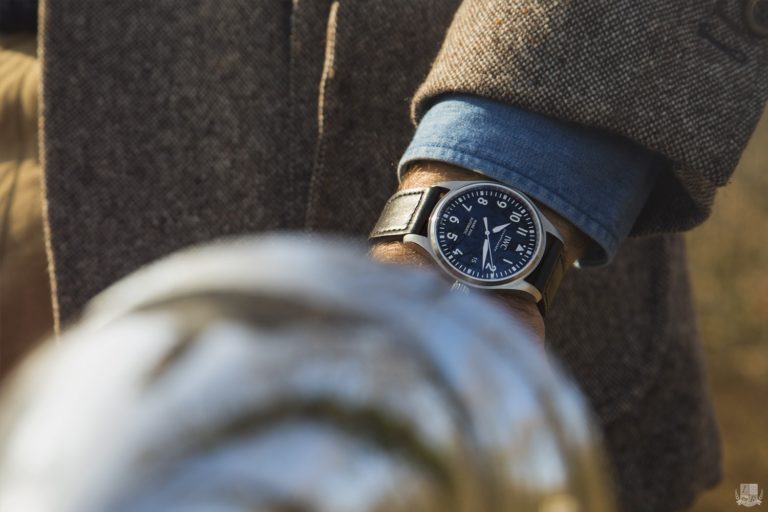
A quality watch is more than a way to tell time. It is a personal accessory that reflects style, craftsmanship, and attention to detail. Proper care helps preserve its appearance and performance for years. Whether you own a luxury timepiece or an everyday accessory, understanding basic maintenance is essential. Many collectors invest in Men's watches because they combine function with style, making regular care an important part of protecting that investment.
Why Regular Watch Maintenance Matters
A watch contains delicate components that work together with precision. Dust, moisture, impact, and everyday wear can affect performance over time. Regular maintenance helps prevent unnecessary damage and keeps the watch running accurately.
Proper care also protects the value of a watch. Well-maintained timepieces often retain their appearance and functionality longer, making them more attractive to future buyers or collectors.
Understanding Your Watch Type
Different watches require different maintenance methods. Knowing the type of watch you own helps you choose the right care routine.
Mechanical Watches
Mechanical models rely on intricate gears and springs. These watches benefit from regular servicing because their moving parts require lubrication and adjustment over time.
Automatic Watches
Automatic watches use wrist movement to power the mechanism. Wearing them regularly helps keep them running. If stored for extended periods, a watch winder may help maintain operation.
Quartz Watches
Quartz models use batteries and generally require less maintenance. However, battery replacement and periodic inspections remain important for long-term performance.
Clean Your Watch Properly
Cleaning is one of the simplest ways to extend the life of a watch. Dirt and sweat can accumulate on the case, bracelet, and clasp.
Use a soft microfiber cloth to wipe the watch regularly. This removes fingerprints, dust, and light moisture. Gentle cleaning helps preserve the finish and prevents buildup that may affect appearance.
Safe Cleaning Steps
Follow these simple steps for routine cleaning:
- Remove surface dust with a soft cloth.
- Use a slightly damp cloth for stubborn dirt.
- Dry the watch immediately after cleaning.
- Clean metal bracelets with a soft brush if recommended by the manufacturer.
- Avoid harsh chemicals and abrasive cleaners.
These steps help maintain both appearance and functionality without risking damage.
Protect Your Watch from Water Damage
Many watches offer water resistance, but that does not make them waterproof. Water resistance ratings indicate specific conditions under which the watch can safely operate.
Avoid exposing your watch to water beyond its rated capacity. Hot showers, saunas, and swimming pools can affect seals and gaskets over time. Chlorine and saltwater may also cause damage if not rinsed away promptly.
Check Water Resistance Periodically
Seals naturally wear out with age. Professional testing ensures that water resistance remains effective. Annual inspections are especially beneficial for watches frequently exposed to moisture.
Store Your Watch Correctly
Proper storage prevents scratches, dust accumulation, and accidental damage. Leaving a watch on a hard surface increases the risk of impacts and cosmetic wear.
Store watches in a dedicated watch box or protective case when not in use. Soft interiors help protect delicate finishes while keeping the watch secure.
Ideal Storage Conditions
A stable environment helps preserve watch components. Keep watches away from:
- Direct sunlight
- High humidity
- Extreme temperatures
- Strong magnetic fields
- Dusty environments
Consistent storage conditions support long-term reliability.
Avoid Magnetic Exposure
Many electronic devices generate magnetic fields. Phones, speakers, laptops, and household appliances can affect watch accuracy.
Mechanical movements are particularly sensitive to magnetism. Exposure may cause the watch to gain or lose time unexpectedly. Keeping your watch away from strong magnetic sources helps maintain precision.
Professional demagnetization is a simple solution if magnetism affects performance. Watch technicians can usually correct the issue quickly.
Handle Your Watch with Care
Even durable timepieces can suffer from impacts. Dropping a watch or striking it against hard surfaces may damage internal components.
Remove your watch during activities involving heavy vibrations or physical contact. Construction work, certain sports, and high-impact exercises can increase the risk of damage.
Careful handling reduces unnecessary wear and helps maintain both appearance and performance.
Maintain the Watch Strap or Bracelet
The strap plays an important role in comfort and appearance. Different materials require different care techniques.
Leather straps can absorb sweat and moisture, while metal bracelets may collect dirt between links. Regular attention helps extend the lifespan of both.
Caring for Leather Straps
Leather requires gentle treatment to maintain flexibility and appearance. Avoid excessive water exposure and allow the strap to dry naturally if it becomes damp.
Using a leather conditioner occasionally may help preserve softness and prevent cracking.
Caring for Metal Bracelets
Metal bracelets benefit from periodic cleaning to remove dirt and residue. A soft brush and mild cleaning solution can help maintain shine without causing scratches.
Routine cleaning also helps prevent buildup around moving links and clasps.
Replace Batteries Promptly
Battery-powered watches should receive timely battery replacements. An expired battery can leak and potentially damage internal components.
Watch owners often overlook this simple maintenance task. Replacing the battery as soon as it weakens helps avoid costly repairs and preserves movement integrity.
Professional battery replacement is recommended because technicians can inspect seals and perform additional maintenance if needed.
Schedule Professional Servicing
Routine servicing is essential for long-term reliability. Internal components experience wear even when the watch appears to function normally.
Professional watchmakers inspect, clean, lubricate, and adjust the movement. This process helps maintain accuracy and prevents minor issues from becoming major repairs.
Recommended Service Intervals
Service frequency depends on the watch type and manufacturer recommendations. General guidelines include:
- Mechanical watches every 3–5 years
- Automatic watches every 3–5 years
- Quartz watches during battery replacement or as needed
Following these intervals supports consistent performance.
Protect the Crystal from Scratches
The crystal protects the dial and contributes significantly to a watch's appearance. Although many modern crystals are highly durable, scratches can still occur.
Avoid storing watches alongside jewelry or metal objects. Separate storage reduces contact that could damage the crystal surface.
Protective handling habits help maintain a clear, attractive display for years.
Monitor Accuracy and Performance
A watch often provides early warning signs when maintenance is needed. Paying attention to performance helps identify problems before they worsen.
Watch for symptoms such as irregular timekeeping, reduced power reserve, unusual noises, or moisture under the crystal. Addressing these issues promptly can prevent more extensive repairs.
Regular observation helps ensure your watch remains dependable and accurate.
Travel Safely with Your Watch
Travel introduces additional risks, including impacts, temperature changes, and exposure to unfamiliar environments.
Use a protective travel case when transporting watches. Secure storage reduces movement and minimizes the chance of accidental damage during transit.
Travelers should also be mindful of local climate conditions and water exposure, especially in coastal destinations.
Build a Simple Maintenance Routine
Consistency is often more important than complicated care procedures. A basic routine helps protect your watch without requiring significant effort.
Set aside a few minutes each week to inspect and clean the watch. Check for dirt accumulation, loose components, or signs of wear. Small preventive actions can significantly extend the lifespan of your timepiece.
Developing these habits ensures that maintenance becomes a natural part of ownership.
Conclusion
Proper watch care is essential for preserving appearance, accuracy, and long-term value. Regular cleaning, safe storage, water protection, and professional servicing all contribute to reliable performance. Paying attention to straps, batteries, and environmental exposure further reduces the risk of unnecessary damage. Whether you wear your watch every day or reserve it for special occasions, a consistent maintenance routine can make a significant difference. With the right care practices, quality watches can remain dependable, attractive, and enjoyable for many years, providing lasting value and timeless style.
Comments