How Often Should You Schedule Softener Repair Checks?
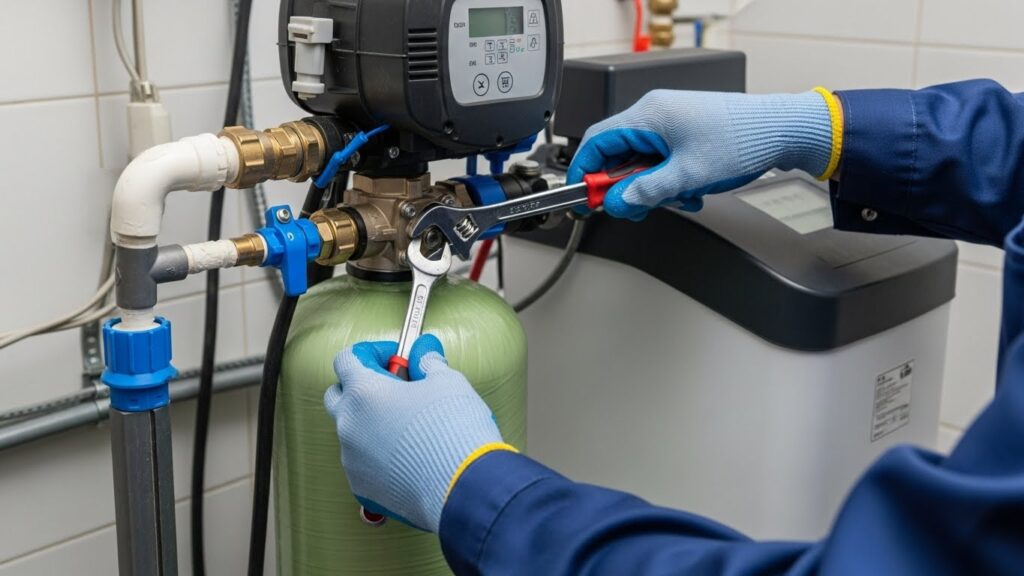
A water softener plays a critical role in protecting plumbing systems, equipment, and construction projects from the damaging effects of hard water. Many property owners focus on installation but overlook routine inspections until problems appear. Scheduling regular maintenance and Water softener repair near me services at the right intervals can help prevent unexpected failures, improve efficiency, and extend the life of the system. Understanding the ideal inspection schedule allows you to avoid costly repairs and maintain consistent water quality.
Why Regular Softener Inspections Matter
Water softeners work continuously to remove minerals such as calcium and magnesium from the water supply. Over time, internal components experience wear, resin beads lose efficiency, and salt buildup can affect performance.
Routine inspections help identify small issues before they become major problems. A simple maintenance visit can reduce repair costs, improve water quality, and keep the system operating efficiently throughout the year.
Understanding the Typical Lifespan of a Water Softener
Most quality water softeners last between 10 and 15 years when properly maintained. However, lifespan depends on water conditions, usage levels, and maintenance frequency.
Systems exposed to extremely hard water often require more attention. Regular service checks allow technicians to evaluate critical components and recommend adjustments that help maximize equipment longevity.
How Often Should You Schedule Professional Checks?
Most professionals recommend scheduling a comprehensive inspection at least once per year. Annual evaluations help ensure all components are functioning correctly and allow technicians to address minor concerns before they worsen.
Properties with high water consumption may benefit from more frequent inspections. Commercial facilities, construction sites, and large residential properties often require checks every six months due to increased system demands.
Annual Inspections for Average Usage
For households and small facilities with moderate water usage, an annual inspection is usually sufficient. During the visit, technicians assess system performance, inspect valves, clean components, and verify proper regeneration cycles.
This schedule helps maintain reliable operation while minimizing maintenance expenses over time.
Semi-Annual Checks for Heavy Water Demand
Construction projects and commercial facilities often place greater strain on water treatment systems. Higher usage accelerates wear on valves, tanks, and resin beds.
Scheduling inspections every six months helps ensure consistent performance and reduces the likelihood of costly downtime during critical operations.
Quarterly Monitoring for High-Risk Environments
Some environments require even closer attention. Facilities with exceptionally hard water or heavy equipment usage may benefit from quarterly evaluations.
Frequent inspections help detect mineral buildup, declining efficiency, and potential component failures before they affect operations.
Signs Your Water Softener Needs Immediate Attention
Although routine inspections are important, certain warning signs indicate the need for prompt service regardless of your maintenance schedule.
Ignoring these symptoms can result in more extensive damage and higher repair costs.
Hard Water Returning
One of the most obvious signs of trouble is the return of hard water symptoms. Soap may not lather properly, dishes may show spots, and mineral deposits can appear on fixtures.
These issues often indicate problems with the resin bed, regeneration cycle, or control valve.
Increased Salt Consumption
A sudden increase in salt usage may signal that the system is working harder than necessary. Malfunctioning components can cause inefficient regeneration cycles that waste salt and water.
Professional inspection helps identify the source of the problem and restore optimal performance.
Unusual Noises
Water softeners typically operate quietly. Grinding, clicking, or banging sounds may indicate worn mechanical parts or valve issues.
Addressing these concerns early can prevent extensive system damage.
Water Quality Changes
Changes in taste, odor, or water clarity should never be ignored. These issues may indicate contamination, system malfunction, or declining filtration performance.
A technician can evaluate the system and determine the appropriate corrective action.
Key Components Examined During a Repair Check
Professional inspections involve a thorough evaluation of multiple system components. Each part plays an important role in maintaining efficient operation.
Technicians examine the following areas during a typical service visit:
- Resin tank condition
- Control valve functionality
- Brine tank cleanliness
- Salt bridge formation
- Regeneration cycle settings
- Water flow rates
- System connections and fittings
- Signs of leaks or corrosion
These evaluations help ensure every component functions properly and efficiently.
The Impact of Hard Water Conditions on Maintenance Frequency
Water hardness levels significantly influence maintenance requirements. Areas with extremely hard water expose systems to greater mineral loads, increasing wear and reducing efficiency.
Property owners in these regions often require more frequent inspections. Testing water hardness annually helps determine whether maintenance schedules should be adjusted.
Benefits of Preventive Maintenance
Preventive maintenance offers numerous advantages beyond reducing repair costs. Regular service improves system performance and helps maintain consistent water quality.
Investing in scheduled inspections often results in substantial long-term savings.
Reduced Repair Expenses
Small issues are generally less expensive to fix than major component failures. Routine inspections allow technicians to identify problems while repairs remain simple and affordable.
This proactive approach helps property owners avoid unexpected expenses.
Improved System Efficiency
A properly maintained water softener uses less salt and water during regeneration cycles. Efficient operation lowers utility costs while improving overall performance.
Regular adjustments ensure the system continues operating at peak capacity.
Extended Equipment Life
Maintenance directly affects equipment longevity. Systems that receive consistent care often exceed expected lifespan estimates.
Replacing a water softener can be a significant investment, making preventive care a cost-effective strategy.
Common Water Softener Problems Found During Inspections
Professional inspections frequently uncover issues that property owners may not notice. Early detection prevents minor concerns from developing into major repairs.
Some of the most common findings include clogged injectors, damaged seals, resin degradation, and malfunctioning timers. Technicians can address these problems quickly when discovered during routine maintenance visits.
Seasonal Factors That Affect Inspection Scheduling
Seasonal changes can influence water usage and system performance. Summer months often increase demand due to landscaping, construction activities, and higher occupancy levels.
Scheduling inspections before peak usage periods helps ensure reliable operation when the system is under greater stress. Similarly, checking the system before winter can help identify vulnerabilities that may worsen in colder temperatures.
Maintenance Tips Between Professional Visits
Property owners can take several steps to support system performance between scheduled inspections. Simple monitoring practices help identify potential issues early.
Regular observation also helps extend equipment life and maintain water quality.
Check Salt Levels Monthly
Maintaining proper salt levels is essential for effective regeneration. Inspect the brine tank monthly and refill as needed.
Avoid overfilling the tank, as excessive salt can contribute to bridging and other operational issues.
Watch for Salt Bridges
Salt bridges occur when hardened layers form above the water level in the brine tank. These formations prevent proper salt dissolution and reduce system efficiency.
Breaking up bridges carefully can restore normal operation until professional service is performed.
Monitor Water Quality
Pay attention to changes in water softness, taste, and appearance. Sudden differences often indicate developing system problems.
Reporting these changes promptly can help technicians diagnose issues more effectively.
Choosing the Right Service Provider
Selecting a qualified professional is essential for effective maintenance and repairs. Experienced technicians understand different system designs and can identify issues accurately.
Look for providers with strong industry experience, positive customer reviews, and transparent service practices. Reliable professionals can recommend appropriate inspection schedules based on water conditions and system usage.
Creating a Long-Term Maintenance Schedule
Every property has unique water treatment needs. Creating a maintenance plan tailored to your system helps ensure reliable performance year after year.
Consider factors such as water hardness, usage volume, equipment age, and manufacturer recommendations. Combining regular inspections with proactive monitoring creates a comprehensive strategy that minimizes downtime and repair expenses.
Conclusion
Routine water softener inspections are one of the most effective ways to protect your investment and maintain dependable performance. While annual service is sufficient for many properties, systems with higher water demands or challenging water conditions may require more frequent evaluations. Regular maintenance helps prevent breakdowns, improves efficiency, and extends equipment lifespan. By monitoring system performance and scheduling professional water softener repair services at appropriate intervals, property owners can avoid costly disruptions, maintain consistent water quality, and ensure their systems continue operating effectively for years to come.
Comments