How Modern Laces Improve Shoe Performance?
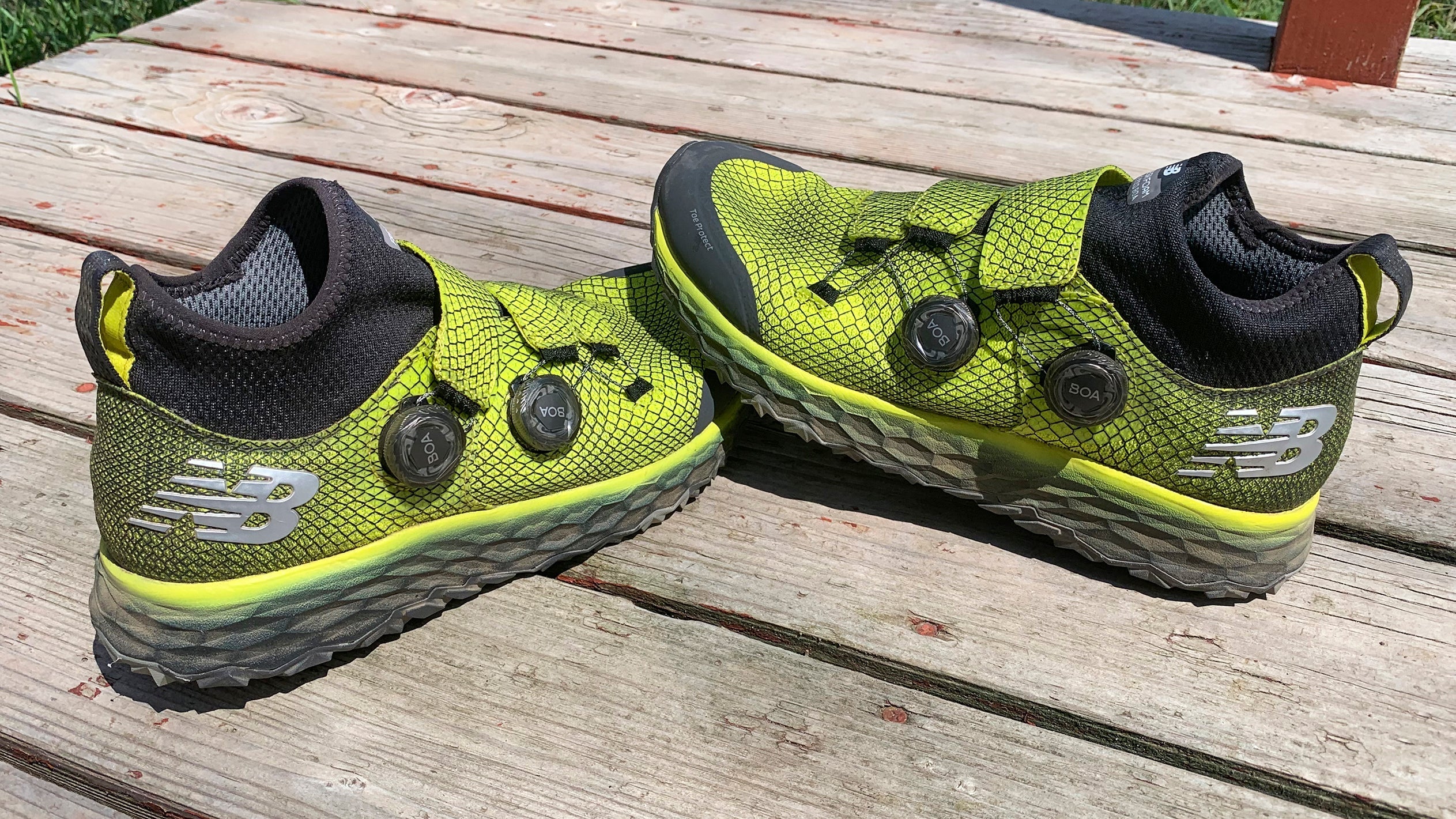
A shoe can have excellent cushioning and support, yet still feel uncomfortable when its lacing system does not hold the foot securely. Modern laces have changed that experience by offering better flexibility, fit, and control. From athletic shoes to everyday footwear, Kwik Lace systems can make putting on and adjusting shoes easier while helping maintain a consistent fit throughout the day.
How Modern Laces Affect Shoe Performance
Laces do more than keep shoes closed. They help control how firmly the upper holds the foot, which can affect comfort, stability, and movement.
Traditional laces often require repeated tightening during long activities. Modern designs can provide more consistent tension while allowing the wearer to adjust the fit according to personal needs.
A well-designed lacing system can help:
- Improve overall shoe fit
- Reduce unwanted foot movement
- Provide more consistent pressure
- Make shoes easier to put on and remove
- Support comfortable movement during daily activities
- Reduce the need for frequent adjustments
These advantages are useful for athletes, commuters, children, workers, and anyone who spends several hours in footwear.
Better Fit Through Improved Lacing Systems
Fit is one of the most important factors in footwear performance. Even a well-designed shoe may not perform properly if the foot moves excessively inside it.
Modern laces allow users to create a more controlled fit across different parts of the foot. Instead of relying on one simple knot, some systems distribute tension more evenly from the toe area toward the ankle.
Consistent Tension Matters
Uneven tension can create pressure points. If one section of a lace is too tight while another is loose, the shoe may feel uncomfortable or allow unnecessary movement.
A reliable lacing system helps maintain a more balanced fit. This can be especially helpful during walking, running, training, or other activities where the foot repeatedly changes position.
A Personalized Fit
Every foot is different. Some people need more room around the toes, while others prefer a secure fit around the middle of the foot.
Modern laces make it easier to adjust footwear based on individual preferences. This flexibility can improve comfort without requiring a completely different pair of shoes.
Modern Laces Improve Everyday Comfort
Comfort becomes increasingly important when shoes are worn for several hours. Tight or poorly adjusted laces can create pressure across the top of the foot, while loose lacing can cause the heel to move excessively.
Modern lace designs can make adjustment simpler and more precise. Users can find a comfortable level of tension and maintain it during everyday activities.
For example, someone walking to work may want a secure fit during the commute but prefer slightly less tension while sitting at a desk. An easy-to-adjust system makes these small changes more convenient.
How Laces Support Athletic Performance
Athletes place greater demands on their footwear. Running, jumping, cutting, and rapid changes in direction require shoes that stay securely positioned on the feet.
A suitable lace system can contribute to a stable connection between the foot and shoe. While laces do not replace proper shoe construction, they help the footwear work as intended.
Running
Runners often experience repetitive foot movement over long distances. A secure lacing setup can help reduce unnecessary movement inside the shoe.
However, runners should avoid tying footwear excessively tight. The goal is a secure fit that still allows normal foot movement and comfort.
Training and Gym Workouts
Training shoes may be used for lifting, cardio, mobility exercises, and other movements. Each activity can place different demands on the foot.
Adjustable laces allow users to modify their fit when needed. A secure setup can help the shoe feel more stable during movement without creating uncomfortable pressure.
Outdoor Activities
Hiking and recreational activities can involve uneven surfaces and long periods of movement. Reliable laces can help keep footwear properly positioned as the wearer moves across changing terrain.
For these activities, users should also consider the shoe's sole, upper construction, cushioning, and overall fit.
Modern Lace Materials Can Improve Durability
Performance is not only about comfort. A lace also needs to withstand repeated pulling, bending, and friction.
Traditional cotton laces may work well for many casual applications, but modern footwear can also use synthetic materials designed for flexibility and durability.
Quality lace materials may offer:
- Better resistance to repeated movement
- Consistent shape
- Reduced stretching
- Improved flexibility
- Longer service life
- Easier maintenance
The right material depends on the intended use. A lace designed for casual sneakers may not have the same requirements as one used for running or outdoor footwear.
Faster Adjustment Saves Time
One of the simplest benefits of modern lacing systems is convenience. Traditional shoelaces require users to create and untie knots every time they put on or remove their shoes.
For people who are frequently on the move, this can become frustrating.
A quick-adjustment system can make the process easier. Instead of spending time retying a knot, users can make a small adjustment and get ready to go.
This is particularly useful for:
- Busy professionals
- Parents
- Children
- Older adults
- Athletes
- Travelers
- People with limited dexterity
Small improvements in everyday routines can make footwear much easier to use.
Why Laces Matter for Children’s Shoes
Children often struggle with traditional shoe knots. Loose laces can also become a distraction during school, sports, or outdoor play.
Modern lacing systems can provide a simpler alternative. Children can learn to adjust their footwear without repeatedly dealing with complicated knots.
Parents may also appreciate the convenience because properly secured footwear can reduce interruptions during busy mornings.
However, parents should always choose a system appropriate for the child's age, shoe design, and activity level.
How to Choose the Right Modern Lace
Not every lace system suits every shoe. Before replacing the original laces, consider how the footwear will be used.
Consider the Shoe Type
Running shoes, walking shoes, casual sneakers, work shoes, and children's footwear can have different lacing requirements.
Check whether the replacement system is compatible with the shoe's eyelets and upper construction.
Check the Material
Look for materials that match the expected level of activity. Everyday shoes may require flexibility and comfort, while athletic footwear may need greater resistance to repeated tension.
Consider Adjustability
A good system should allow you to create a comfortable fit without excessive effort. If you frequently adjust your footwear, easy operation may be more important than appearance.
Think About Style
Laces can also change the visual appearance of footwear. Colors, textures, and designs can complement the shoe while providing the desired function.
A practical lace does not have to look out of place. Many modern options combine useful features with a clean appearance.
Comparing Traditional and Modern Laces
| Feature | Traditional Laces | Modern Lacing Systems |
|---|---|---|
| Adjustment | Manual knotting | Often quicker and easier |
| Fit control | Depends on tying technique | More consistent in many designs |
| Convenience | Requires repeated tying | Designed for easier adjustment |
| Style options | Wide variety | Wide variety |
| Everyday usability | Familiar and simple | Often more convenient |
| Athletic use | Effective when properly tied | Can offer quick, consistent adjustment |
| Maintenance | Usually simple | Depends on the system |
The table shows that both approaches have useful applications. The best option depends on the wearer's needs, shoe type, and preferred level of convenience.
Common Lacing Problems and Practical Solutions
Even high-quality shoes can become uncomfortable when the lacing setup is incorrect.
Problem: Heel Movement
If the heel lifts excessively while walking or running, the laces may not be providing enough support around the ankle.
Solution: Adjust the upper section of the lacing system to create a more secure fit without making it uncomfortably tight.
Problem: Pressure on the Top of the Foot
Excessive tension across the middle of the shoe can create discomfort.
Solution: Reduce tension in the affected section and make sure the shoe provides enough room for natural foot movement.
Problem: Laces Keep Coming Loose
Repeated movement can cause some traditional knots to loosen.
Solution: Consider a more secure knot or a modern system designed to maintain consistent tension.
Problem: Putting Shoes On Takes Too Long
Repeatedly tying and untying shoes can be inconvenient.
Solution: A quick-adjustment lace system may make daily footwear easier to manage.
How to Get Better Results From Modern Laces
Installing a modern lace system is only part of the process. Proper adjustment is equally important.
Start by making sure the lace passes through the shoe's eyelets correctly. Next, adjust the tension gradually rather than pulling everything tight at once.
Walk around for a few minutes and pay attention to pressure points. If the shoe feels too tight in one area or too loose in another, make small adjustments until the fit feels balanced.
Also inspect the laces periodically. Replace them if they show significant wear, fraying, or damage.
The Connection Between Laces and Footwear Design
Modern footwear is built around multiple components working together. The sole provides traction, cushioning affects comfort, and the upper helps hold the foot in place.
Laces connect these elements to the wearer by helping control the fit.
That means a lace should not be viewed as an isolated accessory. Its performance depends on the shoe's eyelet placement, upper material, foot shape, and intended use.
For this reason, replacing a lace should involve more than choosing a product based solely on appearance.
Are Modern Laces Worth Considering?
For many users, modern laces can provide practical improvements without requiring a new pair of shoes. Easier adjustment, consistent tension, and greater convenience can make a noticeable difference in everyday footwear.
They can be especially useful for people who frequently put on and remove their shoes or participate in activities where a stable fit matters.
Still, expectations should remain realistic. Laces cannot correct an incorrectly sized shoe or replace appropriate footwear for a specific activity.
The best results come from combining a properly fitted shoe with a suitable lacing system.
Conclusion
Modern laces can have a meaningful impact on how footwear feels and performs. By improving adjustability, maintaining consistent tension, and simplifying everyday use, they can help users achieve a more comfortable and secure fit. Whether the goal is easier morning routines, better support during exercise, or a cleaner footwear setup, the right lacing system can solve common problems without changing the entire shoe. The key is to choose a lace that matches the shoe, activity, and wearer's needs. With proper adjustment and regular inspection, modern laces can become a practical part of better everyday footwear.
FAQs
How do modern laces improve shoe performance?
Modern laces can improve performance by helping maintain a secure and consistent fit. They may reduce unnecessary foot movement while making adjustment easier during different activities.
Are modern laces suitable for running shoes?
Yes, many modern lace systems can be used with running shoes when they are compatible with the shoe's eyelets and construction. Runners should adjust them firmly but avoid excessive pressure.
Can modern laces make shoes more comfortable?
They can. Better tension control and easier adjustment may help reduce pressure points and unwanted movement, which can improve the overall wearing experience.
Are modern laces useful for children's footwear?
Modern laces can be useful for children because they may reduce the need to tie and untie traditional knots. Parents should select an age-appropriate system that fits the child's shoes correctly.
How often should shoe laces be replaced?
There is no fixed replacement schedule. Replace laces when they become frayed, stretched, damaged, or difficult to secure properly. Frequent-use footwear may require more regular inspection.
Comments