How Long Does Recovery Take After A Butt Lift Surgery?
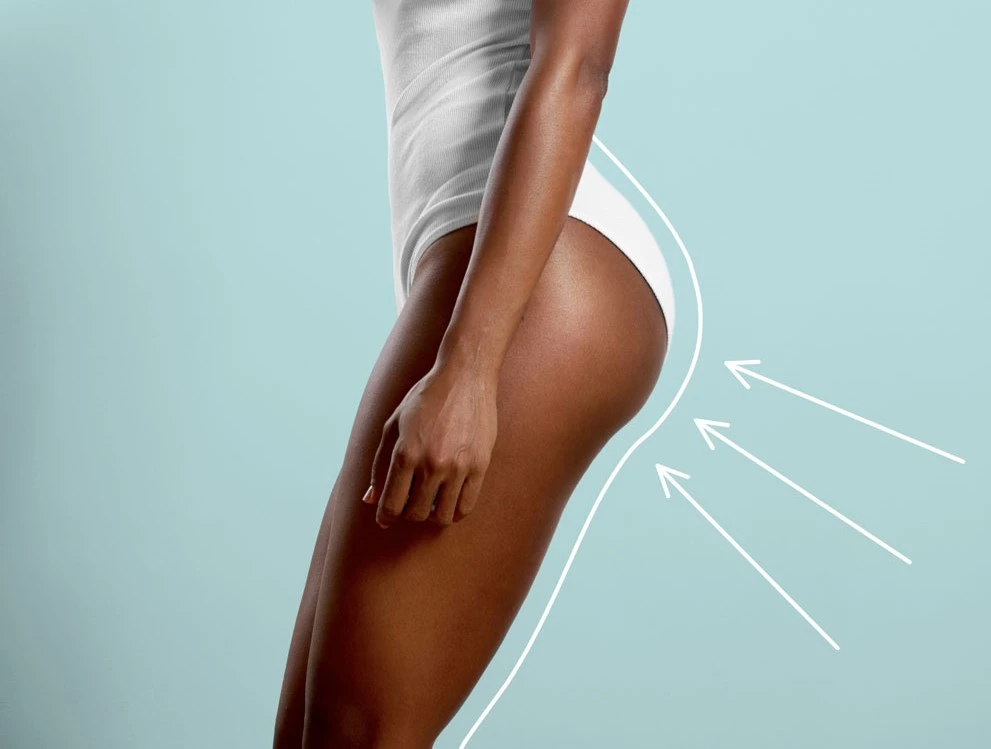
A fuller, more balanced body shape can boost confidence and help people feel more comfortable in their appearance. Many patients considering butt lift procedures want to know how much downtime is involved before they can return to daily life. Understanding the recovery process is essential for setting realistic expectations. For individuals researching brazilian butt lift utah, knowing the healing timeline can help them prepare physically, mentally, and emotionally for a successful outcome.
Understanding Recovery After Butt Lift Surgery
Recovery after a butt lift surgery varies from person to person. Factors such as overall health, age, surgical technique, and adherence to post-operative instructions all influence healing time.
Most patients experience the most noticeable discomfort during the first two weeks. However, complete healing can take several months. Although recovery requires patience, following your surgeon’s recommendations can help reduce complications and support the best possible results.
What Happens Immediately After Surgery?
The first 24 to 72 hours are often the most challenging part of recovery. During this period, swelling, bruising, and soreness are common.
Patients are usually encouraged to rest while also taking short walks around the house. Light movement helps improve circulation and lowers the risk of blood clots. Pain medications and compression garments are often recommended to help manage discomfort and support healing.
Managing Early Discomfort
Most patients describe the sensation as soreness rather than severe pain. The body is adjusting to both the fat transfer and the liposuction areas involved in the procedure.
Taking prescribed medications on schedule and staying hydrated can make recovery more manageable. Proper rest also allows the body to focus its energy on healing.
The First Week of Recovery
The first week requires careful attention to post-operative instructions. Swelling reaches its peak during this period, and bruising is often more visible.
Patients should avoid putting direct pressure on the treated area. Special cushions or positioning techniques may be recommended to protect the transferred fat cells and improve their survival rate.
Sleeping Positions During Week One
Sleeping on the stomach or side is usually advised during the initial recovery phase. This positioning helps prevent unnecessary pressure on the buttocks.
Maintaining the correct sleeping posture can be challenging at first. However, it plays an important role in preserving surgical results and promoting healthy healing.
Recovery During Weeks Two and Three
Many patients begin to notice gradual improvements during the second and third weeks. Bruising starts fading, and swelling becomes more manageable.
Although discomfort decreases, it is still important to avoid strenuous activities. Most individuals can resume certain desk-based work duties if their job does not require prolonged sitting.
Returning to Daily Activities
Light household tasks are often possible during this stage. Patients generally feel more energetic and mobile compared to the first week.
Even when symptoms improve, overexertion can delay healing. Gradually increasing activity levels is typically the safest approach.
Why Sitting Restrictions Matter
One of the most important aspects of recovering from a brazilian butt lift is avoiding direct pressure on the treated area.
Transferred fat cells need time to establish a blood supply. Excessive pressure during the early weeks may reduce fat survival and affect final results.
Many surgeons recommend specialized cushions that shift weight away from the buttocks. These tools can make it easier to sit when necessary while protecting the surgical area.
What to Expect During the First Month
Around four weeks after surgery, most patients experience significant improvements in comfort and mobility. Swelling continues to decrease, although some residual swelling may remain.
At this stage, many people feel ready to resume more normal routines. Nevertheless, following medical guidance remains important because internal healing is still taking place.
Changes in Appearance
The buttocks may appear larger immediately after surgery due to swelling. As the swelling decreases and the body absorbs some transferred fat, the shape begins to settle.
Patients should understand that early results are not the final outcome. The body needs time to stabilize before the full results become visible.
Recovery Between Six and Eight Weeks
By the six-to-eight-week mark, many patients feel considerably better. Daily activities become easier, and physical restrictions are often reduced.
Exercise may gradually be reintroduced based on the surgeon’s recommendations. Low-impact activities are usually allowed first, followed by more demanding workouts as healing progresses.
Returning to Exercise Safely
Jumping back into intense workouts too soon can interfere with recovery. Gradual progression helps protect both the surgical results and overall health.
Common examples of approved activities during this stage include:
- Walking at a comfortable pace
- Light stretching exercises
- Gentle cardiovascular activities
- Low-impact fitness routines
- Gradual strength training under guidance
Patients should always seek clearance from their surgeon before resuming any exercise program.
When Does Swelling Fully Go Away?
Swelling is one of the longest-lasting aspects of recovery. Although much of it improves within the first several weeks, minor swelling can remain for months.
Most patients notice substantial improvements by the third month. However, complete resolution may take up to six months or longer depending on individual healing patterns.
Patience is important during this period. The body continues making adjustments long after visible discomfort has disappeared.
Factors That Affect Recovery Time
Every patient's recovery experience is unique. Several factors can influence how quickly healing occurs.
Overall Health
Healthy individuals often recover more efficiently because their bodies are better equipped to repair tissues and manage inflammation.
Maintaining good nutrition before and after surgery can support a smoother recovery process.
Following Post-Operative Instructions
Patients who carefully follow medical guidance often experience fewer complications. Instructions regarding sitting, sleeping, garment use, and activity restrictions are designed to protect results.
Ignoring these recommendations can increase recovery time and potentially affect the final outcome.
Smoking and Lifestyle Habits
Smoking can negatively impact circulation and slow healing. Many surgeons require patients to stop smoking before and after surgery.
Healthy lifestyle habits, including proper hydration and balanced nutrition, support tissue repair and improve recovery outcomes.
Nutrition Tips for Better Healing
Nutrition plays a critical role in post-surgical recovery. The body needs adequate nutrients to repair tissues and reduce inflammation.
Focusing on nutrient-rich foods can help support the healing process and improve overall well-being.
Foods That Support Recovery
Protein-rich foods are especially important because they provide the building blocks needed for tissue repair.
Helpful dietary choices often include lean meats, fish, eggs, fruits, vegetables, whole grains, and healthy fats. Drinking enough water also supports circulation and recovery.
Signs of Normal Healing
Many patients worry about whether their recovery is progressing properly. Understanding normal healing signs can provide reassurance.
Common recovery experiences include mild swelling, bruising, temporary numbness, and gradual improvements in comfort. These symptoms generally improve over time.
Regular follow-up appointments allow surgeons to monitor progress and address any concerns that may arise.
Warning Signs That Require Medical Attention
Although complications are uncommon when procedures are performed by qualified professionals, patients should remain aware of potential warning signs.
Contact your healthcare provider if you experience severe pain, excessive swelling, fever, unusual drainage, or sudden changes in the treated area.
Prompt medical attention can help address concerns before they become more serious.
Long-Term Results After Recovery
The final results become more visible as swelling subsides and the transferred fat stabilizes. Most patients begin appreciating their new contours within several months.
Maintaining a stable weight is important because significant weight fluctuations can affect the appearance of the results. Healthy lifestyle habits contribute to long-term satisfaction and overall wellness.
Protecting Your Results
Successful outcomes depend on both surgical skill and post-operative care. Patients who maintain healthy routines often enjoy their results for many years.
Regular exercise, balanced nutrition, and weight management can help preserve the enhanced shape achieved through surgery.
Preparing for Recovery Before Surgery
Planning ahead can make recovery significantly easier. Creating a comfortable healing environment before surgery reduces stress during the first few weeks.
Helpful preparations may include arranging transportation, stocking healthy meals, preparing recovery supplies, and organizing support from family or friends.
Having assistance available during the early recovery phase allows patients to focus fully on healing.
Conclusion
Recovery after a butt lift surgery is a gradual process that requires patience, preparation, and commitment to post-operative care. Most patients experience the greatest discomfort during the first two weeks, while noticeable improvements continue throughout the following months. Although many daily activities can resume within several weeks, complete healing and final results often take several months to fully develop. Understanding each stage of recovery helps set realistic expectations and reduces unnecessary stress. By following medical guidance, maintaining healthy habits, and allowing the body adequate time to heal, patients can support a smoother recovery and enjoy long-lasting results from their procedure.
Comments