How Can You Layer A Hoodie During Cold Winter Weather?
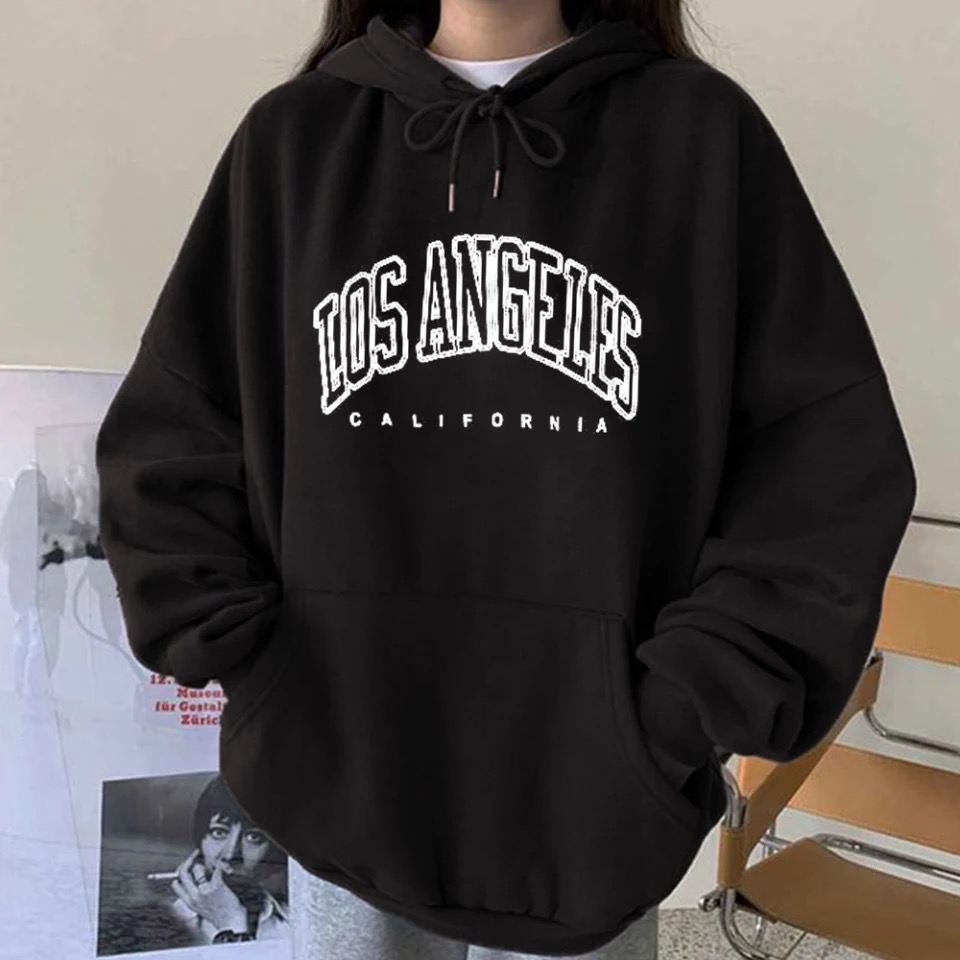
Cold weather dressing works best when each layer has a purpose. A well-planned outfit can keep you warm without making you feel bulky or restricted, especially when temperatures change throughout the day. For many people, a Women's black oversized hoodie offers a comfortable base for building a practical winter look. The relaxed shape leaves room for warmer layers while the dark color works easily with jeans, trousers, boots, and winter coats.
Why Layering a Hoodie Works in Winter
Layering creates small pockets of warmth between clothing pieces, helping your body stay comfortable in cold conditions. Instead of relying on one thick garment, several lighter layers give you more control over your outfit throughout the day.
A hoodie works particularly well because it combines warmth with casual style. The hood can provide extra coverage around your neck and head, while the sweatshirt fabric adds insulation over a lighter base layer.
Another advantage is flexibility. A winter morning may feel freezing, but an indoor office, café, or store can be much warmer. Several layers allow you to remove a jacket or coat without completely changing your outfit.
The key is to choose pieces that work together rather than simply adding more clothing. Proper fit, fabric, and layering order make a noticeable difference in comfort.
Choose the Right Base Layer
The first layer sits directly against your skin, so comfort should be the main priority. A lightweight long-sleeve shirt can provide warmth without creating unnecessary bulk beneath the hoodie.
Cotton works well for casual activities and mild winter conditions. For colder weather or outdoor activities, moisture-managing fabrics can be more practical because they help move perspiration away from the skin.
A fitted base layer usually works better than a loose shirt. Extra fabric can bunch beneath the hoodie, making the outfit feel uncomfortable and restricting movement.
Neutral shades such as white, gray, beige, or black are easy to coordinate. A simple base layer also keeps the overall outfit clean if part of it becomes visible around the neckline or sleeves.
Pick Materials Based on the Weather
Fabric choice should match how cold the environment is and how active you expect to be. Lightweight materials suit mild winter days, while wool blends and thermal fabrics can provide additional warmth in colder conditions.
For everyday city wear, a breathable shirt under a hoodie may be enough when paired with a suitable outer jacket. Outdoor activities may require a more technical base layer that handles moisture and temperature changes better.
Select a Hoodie With Enough Room
Fit becomes especially important when you plan to wear multiple layers. A hoodie that is extremely tight can make the layers underneath feel compressed, while an excessively loose hoodie may create unnecessary bulk beneath a coat.
An oversized design gives you additional room for a shirt or thin thermal layer. However, the shoulders and sleeves should still allow natural movement. The goal is relaxed comfort rather than a shape that overwhelms your entire outfit.
A black oversized hoodie is especially useful because its simple appearance makes it easy to combine with different colors and textures. You can pair it with denim for a casual look or use structured outerwear to create more contrast.
Pay attention to sleeve length as well. Sleeves that extend too far beyond your jacket can bunch around the wrists and make the outfit uncomfortable.
Add a Warm Mid-Layer
The hoodie can serve as either a middle layer or a main insulating piece, depending on the temperature. On moderately cold days, it can sit comfortably between a lightweight shirt and a jacket.
A thin fleece vest can add warmth without restricting your arms. A lightweight cardigan can also work for indoor settings where you want extra insulation without wearing a heavy coat.
Texture can make the outfit more interesting. Smooth base layers, soft sweatshirt fabric, and a structured jacket create visual contrast without requiring bright colors or complicated patterns.
Avoid combining several very thick pieces. A heavy shirt, thick hoodie, and bulky coat can quickly become uncomfortable and make movement difficult.
Build Layers From Thin to Thick
A simple rule is to arrange clothing from lighter materials closest to the body to heavier pieces on the outside. This approach keeps the outfit more comfortable and makes each layer easier to remove.
A practical combination can include:
- Lightweight thermal or long-sleeve shirt
- Comfortable hoodie
- Lightweight insulated jacket or fleece vest
- Weather-resistant winter coat
- Scarf, gloves, and suitable winter footwear
This setup can be adjusted according to temperature and activity. Removing one layer indoors is also easier than trying to manage a single extremely heavy garment.
Choose the Right Outer Jacket
The outer layer provides protection from wind, rain, and snow, so it should complement the hoodie rather than simply cover it. A winter coat with enough space through the shoulders and chest will allow comfortable movement.
Puffer jackets are useful for very cold conditions because their insulation traps warm air around the body. Wool coats offer a more polished appearance and can work well with casual hoodies when the proportions are balanced.
A waterproof or water-resistant shell is valuable in rainy or snowy weather. It protects the hoodie and inner layers from moisture while helping prevent wind from cutting through the outfit.
Length also matters. A longer coat provides greater coverage around the hips and thighs, while a shorter jacket creates a more casual appearance and allows the hoodie to become a visible part of the outfit.
Use Color and Proportion to Create Balance
Layering is not only about warmth. The combination of colors, lengths, and shapes determines how the finished outfit looks.
Black is one of the easiest colors to style because it works with almost every neutral shade. Gray, cream, navy, olive, denim, and brown can all create different moods without making the outfit complicated.
Proportion matters just as much as color. A relaxed hoodie can look balanced with straight-leg jeans, fitted trousers, or structured outerwear. Wide trousers can also work, but pairing multiple oversized pieces requires attention to length and shape.
Letting the hoodie extend slightly below a jacket can create a casual layered effect. However, a large amount of fabric hanging below a short jacket may make the outfit look unbalanced.
Protect Your Neck, Hands, and Head
A warm torso is only part of staying comfortable outdoors. Cold air can quickly make exposed areas uncomfortable, particularly around the neck, ears, and hands.
A scarf adds warmth and can introduce another texture or color to the outfit. Gloves protect your hands, while a beanie can provide additional coverage when the temperature drops.
The hood itself offers useful protection from light wind and cold air. It can also be worn beneath a larger winter coat hood for additional coverage during particularly cold or windy conditions.
Choose accessories according to the conditions rather than adding them simply for appearance. Functional pieces can still look stylish when their colors and materials coordinate with the rest of the outfit.
Match Your Layers to Your Activity
A winter outfit for commuting does not need the same construction as one for hiking or outdoor work. Your level of activity affects how much insulation and breathability you need.
Walking around a city may require a warm hoodie and coat, especially when wind is present. Sitting outdoors for a long period may call for heavier insulation because your body generates less heat while stationary.
Physical activity can make you feel warmer, so breathable layers may be more useful than several thick garments. A removable outer jacket gives you the flexibility to adjust your temperature as conditions change.
Think about your destination, travel time, and exposure to weather before choosing the final combination. This small amount of planning can prevent both overheating and underdressing.
Keep Winter Layers Comfortable Indoors
Indoor heating creates another challenge during winter. A combination that feels perfect outside can quickly become too warm inside a heated building.
A removable outer coat solves much of this problem. The hoodie can remain as the main visible layer, while the base shirt provides enough comfort if the indoor temperature rises.
Avoid choosing every layer based on outdoor temperatures alone. Consider how much time you will spend outside and whether you can easily remove your coat or jacket.
Hoodies are particularly convenient for this reason. They provide warmth without the formal structure of many winter coats and can remain comfortable in casual indoor environments.
Care for Your Hoodie During Winter
Frequent winter wear can expose clothing to moisture, dirt, and repeated washing. Proper care helps maintain the fabric, shape, and appearance of your hoodie.
Follow the garment's care instructions and avoid using unnecessarily harsh washing cycles. Turning darker garments inside out before washing can help reduce surface friction and preserve their appearance.
Drying also matters. Excessive heat can affect some fabrics and may cause unwanted shrinkage. Air drying or using a lower-temperature setting is often a safer option when the care label permits it.
Store the hoodie clean and completely dry. This is especially important during wet winter weather because damp fabric can develop unpleasant odors if left in a confined space.
Create Versatile Winter Outfits
One of the best reasons to build outfits around a hoodie is versatility. The same garment can work with several combinations, allowing you to create different looks without owning a huge winter wardrobe.
Try pairing a black oversized hoodie with straight-leg jeans and sneakers for casual errands. For colder days, add a padded jacket, wool socks, and weather-resistant boots.
A hoodie can also sit beneath a long coat for a more refined streetwear-inspired outfit. The contrast between relaxed sweatshirt fabric and structured outerwear creates a balanced appearance.
Experiment with accessories as well. A textured scarf, simple beanie, or leather-style bag can change the overall character of an otherwise familiar combination.
Avoid Common Layering Mistakes
Too many layers can be just as uncomfortable as too few. Thick garments stacked together often restrict movement and make indoor temperature changes harder to manage.
Another common mistake is ignoring sleeve and shoulder space. A jacket may fit perfectly over a T-shirt but become restrictive once a hoodie is added underneath.
Poor fabric combinations can also affect comfort. Materials that trap excessive moisture may feel unpleasant during activity, while overly bulky insulation can make everyday movement difficult.
Finally, avoid choosing layers solely for appearance. Winter clothing needs to perform in real conditions, so warmth, mobility, weather protection, and comfort should remain the main priorities.
Build a Simple Winter Layering System
A reliable winter outfit does not need to be complicated. Start with a comfortable base layer, add a hoodie for warmth, and finish with an outer layer suited to the weather.
Mild conditions may only require a long-sleeve shirt and hoodie. Colder temperatures can call for a thermal base, hoodie, insulated jacket, and weather-resistant coat.
Keep accessories nearby so you can adapt to changing conditions. Scarves, gloves, and hats take up little space but can make a significant difference during cold outdoor periods.
Most importantly, pay attention to how each layer fits with the next. Good winter dressing feels comfortable, moves naturally, and gives you options when temperatures change.
Conclusion
Layering a hoodie for winter is about creating a practical system rather than simply wearing more clothes. A comfortable base layer, well-fitting hoodie, suitable outer jacket, and useful accessories can provide warmth while keeping your outfit flexible. The right combination also depends on activity, wind, moisture, and the amount of time spent outdoors. A black oversized hoodie makes a particularly versatile foundation because its simple color and relaxed shape work with many winter pieces. Choose breathable fabrics, leave enough room between layers, and adjust your clothing as conditions change. With these habits, winter outfits can stay warm, comfortable, functional, and stylish throughout the season.
Comments