How Can I Expand My Adas Calibration Business?
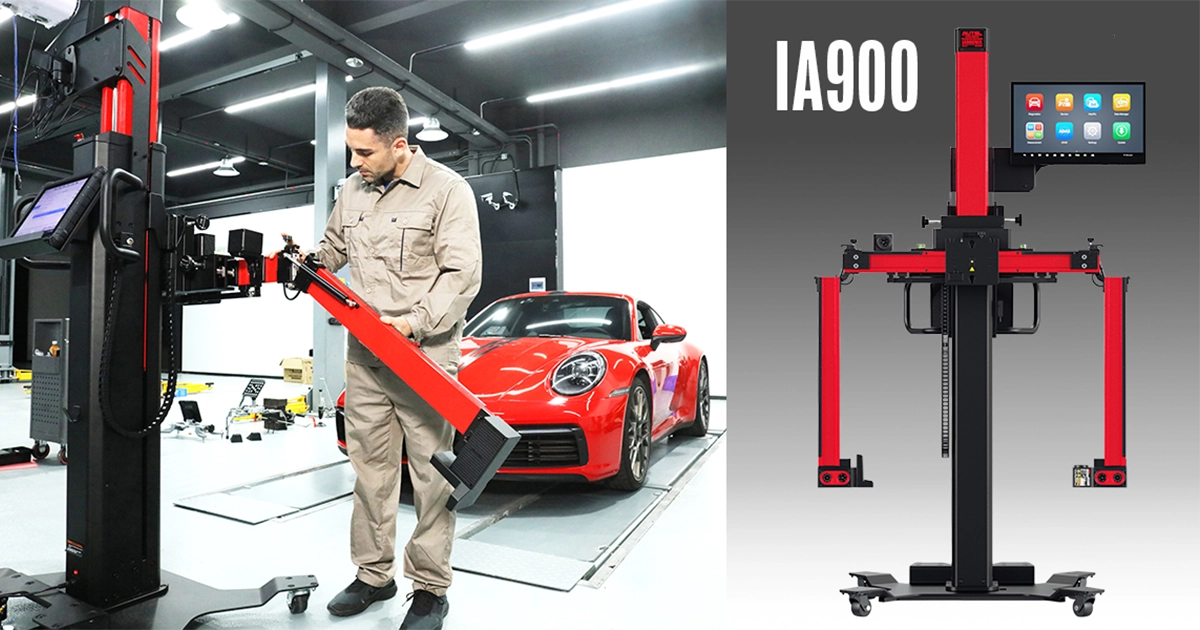
A calibration business can have excellent technicians and equipment yet still struggle to grow. The real challenge is building a reliable flow of customers while maintaining accuracy, efficiency, and trust. If you want to expand your operation, Advanced adas calibration can become a valuable part of your growth strategy when combined with strong partnerships, better processes, local marketing, and consistent customer service. The goal is not simply to perform more calibrations, but to build a dependable business around them.
Understand Where Your Current Business Stands
Before investing in new equipment or advertising, examine how your business performs today. Look at your monthly calibration volume, average ticket value, repeat customers, referral sources, turnaround time, and the percentage of jobs that require additional services.
This information shows where your biggest growth opportunity exists. For example, a shop receiving plenty of windshield replacement referrals may have an opportunity to offer calibration as a standard part of the repair process. Another business may need stronger relationships with collision centers or dealerships.
Also review your current operating costs. Equipment, technician training, software subscriptions, rent, insurance, marketing, and vehicle expenses can affect profitability. Growth should increase revenue without creating unnecessary overhead.
A simple performance review can include:
| Business Area | What to Measure | Growth Opportunity |
|---|---|---|
| Customer volume | Jobs per month | Increase local visibility |
| Average revenue | Revenue per calibration | Add relevant services |
| Referral sources | Jobs by partner | Build more B2B relationships |
| Turnaround time | Time per vehicle | Improve workflow |
| Rework rate | Repeat calibration issues | Strengthen quality control |
| Customer retention | Returning customers | Improve follow-up |
Once you understand these numbers, it becomes easier to make practical decisions rather than expanding based on assumptions.
Build a Stronger Advanced ADAS Service Offering
Customers and automotive businesses increasingly expect calibration providers to understand more than one vehicle system. Your team should be prepared to work with different makes, models, sensors, cameras, radar-related systems, and calibration requirements.
Offering Advanced adas capabilities can help position your company as a specialized service provider instead of a general automotive business. However, expanding your service list should never mean accepting work your technicians or equipment cannot properly handle.
Start by identifying the vehicle types most common in your market. Then determine which calibration procedures create the greatest demand. This approach allows you to invest in equipment and training according to actual local needs.
Match Equipment Investments to Local Demand
New calibration equipment can be expensive, so purchasing everything at once may place unnecessary pressure on your cash flow. Instead, analyze which systems your customers request most often.
If local collision centers frequently handle vehicles equipped with forward-facing cameras, for instance, prioritize the equipment and training needed for those procedures. Later, you can expand into additional capabilities as demand grows.
Keep software and calibration specifications current as well. Vehicle technology changes quickly, and outdated information can create delays or quality problems.
Train Technicians Beyond Basic Procedures
Equipment alone does not create a strong calibration business. Technicians need to understand calibration requirements, vehicle positioning, diagnostic procedures, manufacturer instructions, and the circumstances that can affect a successful result.
Regular training also makes it easier for your team to identify jobs that require additional inspection before calibration. That can prevent wasted time and reduce avoidable rework.
Create internal procedures for documenting each job. Record the vehicle information, calibration requirements, equipment used, results, and any relevant observations. Consistent documentation supports quality control and gives customers greater confidence in your work.
Develop Referral Partnerships With Automotive Businesses
One of the most effective ways to expand a calibration company is to build relationships with businesses that already serve your ideal customers.
Collision repair centers, windshield replacement companies, automotive glass businesses, body shops, dealerships, mechanical repair facilities, and mobile repair providers may encounter vehicles that need calibration after certain repairs.
Instead of relying entirely on individual consumers, develop a B2B referral strategy. Visit local businesses, explain your services, provide clear pricing information, and show how your company can help them complete jobs efficiently.
Make the partnership easy for them. If a collision center has to spend considerable time arranging a calibration appointment, the relationship may not last. Offer clear communication, predictable scheduling, digital reports, and dependable turnaround times.
Make Partner Communication Simple
Your partners should know exactly how to request your service. Create a straightforward process that includes the information you need before accepting a job.
For example, your intake system can request the vehicle identification number, year, make, model, repair details, warning-light information, and customer contact information. This helps your technicians prepare before the vehicle arrives.
After completing the service, provide a clear report. A professional report gives the referring business documentation that the calibration was performed and makes your company appear more organized.
Improve Your Local Online Presence
A customer who needs calibration often searches online before choosing a provider. If your business does not appear prominently for relevant local searches, potential customers may never discover it.
Start with a complete business profile containing accurate contact information, service details, operating hours, photos, and customer reviews. Your website should also explain your calibration services in simple language.
Create separate service pages when appropriate. Instead of placing every service on one generic page, explain the types of calibration you provide, the situations that may require calibration, and what customers can expect during an appointment.
Use natural phrases related to Advanced adas services, windshield calibration, camera calibration, and local automotive safety services. Avoid filling pages with repeated keywords because readability and usefulness should come first.
Turn Customer Questions Into Useful Content
Your website can attract qualified visitors by answering common questions. Consider topics such as why calibration may be necessary after windshield replacement, what happens during a calibration appointment, how long the process can take, and why vehicle positioning matters.
This content can also help referral partners educate their customers. When your articles are genuinely useful, they can strengthen your credibility while supporting organic search visibility.
Make Customer Experience a Competitive Advantage
Technical accuracy is essential, but customers also remember how easy or difficult the service was.
Give customers clear information before their appointment. Explain what they should bring, whether the vehicle needs to be clean, how long the service may take, and whether additional diagnostic work could be necessary.
Avoid promising an exact completion time when the vehicle may require additional inspection. Instead, provide a realistic service window and communicate quickly if circumstances change.
After the job, explain what was completed in language the customer can understand. A short explanation can make a technical service feel much more transparent.
Reliable communication can become one of your strongest marketing tools because satisfied customers are more likely to recommend your business.
Expand Through Mobile Calibration Services
A mobile model can open another growth channel if your business model and equipment support it.
Some repair facilities may prefer a technician to visit their location rather than transporting vehicles to another shop. Mobile service can be especially useful for collision centers, glass businesses, fleet operators, and repair facilities that want to minimize vehicle movement.
However, mobile calibration requires careful planning. Consider travel time, equipment transportation, site conditions, weather, workspace requirements, and whether the location meets the requirements of the procedure being performed.
Do not accept a mobile job simply because the customer requests it. Confirm that the location and vehicle condition are appropriate for the required service.
Create a Scalable Scheduling System
Growth becomes difficult when every appointment depends on one person manually managing calls, messages, paperwork, and scheduling.
Use a scheduling system that records appointments, customer information, vehicle details, job status, and technician assignments. Even a small business can benefit from a structured workflow.
Separate jobs into stages such as:
- Appointment requested
- Vehicle information verified
- Calibration requirements reviewed
- Vehicle received
- Calibration performed
- Results documented
- Customer notified
- Invoice completed
This process reduces missed steps and gives the team a consistent way to manage increasing workload.
As volume increases, consider which administrative tasks can be delegated. Your technicians should spend most of their time performing technical work rather than repeatedly answering basic scheduling questions.
Strengthen Your Pricing and Profitability Strategy
Growing revenue does not automatically mean growing profit. Review the actual cost of each service before setting prices.
Your pricing should account for technician labor, equipment investment, software, facility costs, travel, insurance, administrative work, and the time required to handle documentation.
Avoid competing only on the lowest price. A calibration provider that offers accurate work, professional reports, dependable scheduling, and strong communication can justify a sustainable price.
You can also create clear service packages where appropriate. For example, a package may combine a related inspection with calibration when both services are genuinely required. The objective is to make pricing easier to understand without adding unnecessary services.
Use Reviews and Referrals to Build Trust
Automotive calibration is a technical service, and many customers may not understand exactly what happens behind the scenes. Reviews can help reduce uncertainty.
Ask satisfied customers and business partners to share honest feedback. Make the process easy by providing a direct way to leave a review after a completed job.
Respond professionally to reviews, including negative ones. If a customer raises a legitimate concern, address it constructively rather than becoming defensive.
Referral incentives may also work for appropriate business relationships, but they should be structured carefully and consistently. The strongest long-term referral strategy is delivering dependable service that businesses feel comfortable recommending.
Track the Metrics That Actually Drive Growth
Once you begin expanding, measure whether your changes are producing useful results.
Track monthly calibration volume, revenue, average job value, lead sources, referral partners, appointment cancellations, technician utilization, rework, and customer reviews.
For example, if your website generates 50 inquiries but only five become paying customers, the problem may be pricing, communication, service availability, or lead quality. If referrals produce 30 inquiries and 25 become customers, investing more effort into referral relationships may make more sense.
Review your numbers every month. Small adjustments based on real performance can be more effective than large investments based on assumptions.
Plan Expansion Without Sacrificing Quality
Rapid growth can create problems if your team accepts more work than it can handle. Missed appointments, rushed procedures, incomplete documentation, and inconsistent communication can quickly damage a reputation that took years to build.
Set practical capacity limits. When demand consistently exceeds your available hours, consider hiring and training another technician, extending operating hours, adding mobile capacity, or expanding equipment.
Before adding a new service, make sure you have the necessary training, tools, workspace, procedures, and quality checks. Advanced adas work requires a disciplined approach because vehicle safety systems depend on correct information and procedures.
Expansion should therefore happen in stages. Build demand first, strengthen operations second, and invest in additional capacity when the numbers support it.
Conclusion
Expanding an ADAS calibration business requires more than purchasing new equipment and hoping customers arrive. Sustainable growth comes from combining technical capability with strong partnerships, local visibility, efficient scheduling, transparent pricing, and excellent customer communication. By developing Advanced adas capabilities around genuine market demand, you can serve more vehicles without losing control of quality. Focus on the areas that already show promise, measure your results, and expand your team and equipment at the right pace. A calibration company that consistently delivers accurate work and a professional customer experience has a much stronger foundation for long-term growth.
Frequently Asked Questions
How can I get more customers for my calibration business?
Build relationships with collision centers, windshield replacement companies, dealerships, body shops, and other automotive businesses. At the same time, improve your local online presence and encourage satisfied customers to leave genuine reviews.
Is investing in Advanced ADAS equipment necessary for business growth?
It can be valuable when the equipment matches demand in your market. Before investing, study which vehicle systems and calibration procedures local repair businesses request most frequently.
Can mobile calibration help expand my business?
Yes, mobile service can create opportunities with repair facilities and fleet operators. However, every mobile job should be evaluated to ensure the location, equipment, vehicle condition, and procedure requirements are appropriate.
How can I compete with larger calibration companies?
Focus on reliability, communication, turnaround time, professional documentation, and strong local relationships. A smaller business can compete effectively by providing a more responsive and personalized customer experience.
What is the biggest mistake when expanding an ADAS calibration business?
Growing faster than your systems can support is a common mistake. Taking on excessive volume without enough trained technicians, suitable equipment, scheduling capacity, or quality controls can increase rework and damage customer trust.
Comments