How Can Daily Habits Support Better Pain Relief At Home?
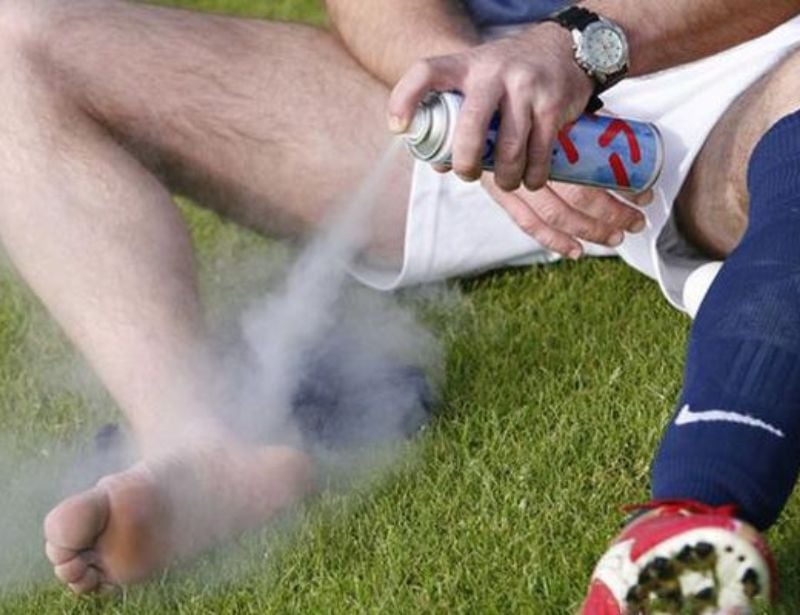
Pain can make ordinary tasks feel harder, but small changes to your daily routine may help you manage discomfort more comfortably at home. From gentle movement to better sleep habits, consistent choices can influence how your body feels throughout the day. Using a Pain relief spray can also fit into a practical home-care routine when occasional muscle or joint discomfort calls for targeted support. The key is building habits that are simple enough to follow regularly.
Build A Consistent Daily Routine
A predictable routine can make pain management easier because it gives your body regular periods for movement, rest, meals, and sleep. Constantly changing your schedule may encourage long periods of inactivity followed by sudden physical effort, which can leave sore areas feeling worse.
Start by identifying the times when discomfort tends to appear. Some people notice stiffness after waking, while others experience soreness after sitting at a desk or completing household chores. Once you recognize these patterns, you can adjust your routine instead of waiting for discomfort to become distracting.
A simple daily plan does not need to be complicated. Set reasonable times for getting up, moving around, eating, working, relaxing, and going to bed. Consistency can make healthy habits easier to maintain over time.
Add Gentle Movement Throughout The Day
Staying completely still may seem appealing during periods of discomfort, but too much inactivity can contribute to stiffness and reduced mobility. Gentle movement can help keep joints and muscles active without placing unnecessary strain on the body.
Short movement breaks are especially useful for people who spend much of the day sitting. Stand up, walk around the room, change positions, or perform comfortable range-of-motion movements every so often.
Choose Activities That Match Your Comfort Level
Exercise should feel manageable rather than punishing. Walking, light stretching, swimming, or other low-impact activities may be suitable for many people, depending on their individual circumstances.
Start slowly and increase activity gradually. A five- or ten-minute walk may be more practical than attempting a long workout after several inactive days.
Pay attention to how your body responds. Sharp, severe, or unusual pain is a reason to stop and seek appropriate medical guidance rather than pushing through it.
Improve Your Sitting And Working Habits
Poor positioning can place unnecessary stress on the neck, shoulders, back, hips, and other areas. Spending hours in one position may also contribute to stiffness, particularly during desk work or long periods of driving.
Keep your work area arranged so that frequently used items are easy to reach. Your chair should provide comfortable support, and your screen should be positioned so you do not constantly bend your neck forward.
Changing positions matters just as much as finding a comfortable position. Stand, stretch gently, or walk briefly instead of remaining seated for several uninterrupted hours.
Make Small Ergonomic Changes
You do not necessarily need expensive equipment to improve your setup. A properly adjusted chair, supportive cushion, or suitable desk height can make everyday tasks more comfortable.
Also consider how you lift and carry household items. Bend at the knees when appropriate, keep loads close to your body, and ask for help with heavy objects rather than forcing yourself to manage them alone.
Make Sleep A Priority
Poor sleep can make everyday discomfort feel more difficult to handle. At the same time, persistent discomfort can interfere with sleep, creating a frustrating cycle.
A regular bedtime and wake-up time can help establish healthier sleep patterns. Keep your bedroom comfortable, reduce unnecessary distractions, and give yourself enough time to rest rather than treating sleep as an optional part of the day.
Your sleeping position can matter as well. Experiment with supportive arrangements that keep your body comfortable without creating pressure on sensitive areas.
Create A Calming Evening Routine
Give your body time to slow down before bed. Reading, gentle stretching, quiet breathing exercises, or listening to relaxing music may help create a more peaceful transition into sleep.
Avoid making the final part of the evening overly demanding. Finishing stressful work immediately before bed can make it harder to relax and settle comfortably.
Stay Properly Hydrated
Water plays an important role in normal body functions, and maintaining adequate hydration is a basic part of general wellness. People sometimes overlook drinking enough fluids during busy days, particularly when they spend long hours working.
Keep water accessible and drink regularly throughout the day. Individual fluid needs can vary based on factors such as activity, weather, diet, and health conditions.
Hydration should not be viewed as a stand-alone solution for pain. Instead, treat it as one small part of a broader routine that includes movement, nutrition, rest, and appropriate care.
Pay Attention To Nutrition
Food choices can influence overall health and energy levels, which may affect how easily you maintain healthy daily habits. A balanced eating pattern can provide nutrients needed for normal body function and support an active lifestyle.
Build meals around a variety of foods rather than relying heavily on highly processed options. Vegetables, fruits, whole grains, protein sources, and healthy fats can all have a place in a balanced diet.
Avoid promising yourself that a particular food will eliminate pain. Nutrition works best as part of a larger approach to wellness rather than as a quick fix.
Plan Simple Meals Ahead
Busy schedules can make it tempting to skip meals or depend on convenient foods. Preparing basic ingredients ahead of time can make balanced choices easier during demanding days.
Keep practical options available, such as washed vegetables, fruit, yogurt, whole grains, or prepared protein sources. Small preparations can reduce the effort required to maintain better eating habits.
Use Home Care Products Responsibly
Many people keep topical products at home for occasional muscle or joint discomfort. These products may provide localized support and can be convenient when used according to the manufacturer's directions.
Read the product label carefully before applying anything to your skin. Follow instructions about the amount, frequency, application area, and precautions. Avoid using a topical product on damaged or irritated skin unless the label or a healthcare professional specifically says it is appropriate.
Do not assume that applying more product will provide better results. Using products exactly as directed is a safer and more sensible approach.
Keep Track Of What Helps
Everyone responds differently to routines and self-care strategies. Keeping a simple record can help you notice patterns between your activities and how you feel.
For several days, note your activity level, sleep quality, periods of prolonged sitting, and when discomfort appears. You may discover that certain habits consistently make your day easier or that specific activities tend to aggravate symptoms.
This information can also be useful during a conversation with a healthcare professional, particularly when discomfort continues or changes over time.
Manage Stress With Simple Techniques
Stress can affect muscle tension, sleep, concentration, and daily routines. Although reducing stress does not address every cause of pain, calming activities may make it easier to maintain healthy habits.
Try short breathing exercises, quiet walks, gentle stretching, journaling, or another activity that helps you relax. Even five minutes can provide a useful break from work and household responsibilities.
The goal is not to eliminate every source of stress. Instead, create regular opportunities to pause and reset so that stressful periods do not completely take over your routine.
Know When Rest Is More Appropriate
Healthy movement matters, but rest also has a place in responsible home care. A demanding day may leave muscles tired, and pushing through significant discomfort can sometimes make the situation harder to manage.
Choose lighter activities during periods when your body needs recovery. Gentle walking or comfortable movement may be preferable to intense exercise, depending on the situation.
Rest should not mean remaining inactive indefinitely. Once you feel comfortable doing so, gradually return to your usual activities rather than making sudden increases in physical effort.
Avoid Common Home Pain-Management Mistakes
Some habits can unintentionally make discomfort harder to manage. Recognizing them can help you create a more balanced routine.
Common mistakes include:
- Staying in bed or seated for excessively long periods.
- Returning to strenuous activity too quickly.
- Ignoring repeated or worsening symptoms.
- Using topical products more frequently than directed.
- Poor sleep habits and inconsistent bedtimes.
- Lifting heavy objects without proper care.
- Relying on one method instead of using a broader self-care routine.
- Assuming persistent pain is something you simply have to tolerate.
A practical approach focuses on consistency rather than perfection. Missing one walk or having one poor night's sleep does not erase your progress. Simply return to your normal routine the following day.
Know When Professional Guidance Is Needed
Home care can be useful for many minor, occasional aches, but it is not appropriate for every situation. Persistent, severe, recurring, or unexplained pain deserves professional attention.
Seek medical advice when discomfort interferes with normal activities, continues despite reasonable self-care, repeatedly returns, or is accompanied by other concerning symptoms. Sudden severe pain, significant injury, weakness, numbness, difficulty breathing, chest discomfort, or other urgent symptoms require prompt medical evaluation.
A healthcare professional can help determine the possible cause and recommend appropriate treatment. Getting guidance does not mean you have failed at managing your symptoms; it means you are taking them seriously.
Turn Healthy Habits Into A Long-Term Routine
The most useful habits are the ones you can realistically maintain. Rather than changing everything at once, choose two or three manageable improvements and practice them consistently.
For example, start with a short morning walk, regular movement breaks during work, and a consistent bedtime. Once these habits become comfortable, add another change, such as improving your workspace or planning balanced meals.
Small steps can be easier to maintain than dramatic lifestyle changes. Over time, these choices can create a daily routine that supports mobility, rest, comfort, and overall well-being.
Conclusion
Better pain management at home often begins with ordinary choices repeated consistently. Gentle movement, adequate rest, good sleep, hydration, balanced meals, sensible working positions, stress management, and responsible use of home-care products can all contribute to a more comfortable routine. These habits are not a replacement for professional medical care, especially when pain is severe, persistent, or unexplained. However, they can provide a practical foundation for everyday self-care. Focus on realistic improvements rather than trying to change everything overnight. A steady routine gives you a better chance of supporting your comfort while staying active and attentive to your body's needs.
Comments