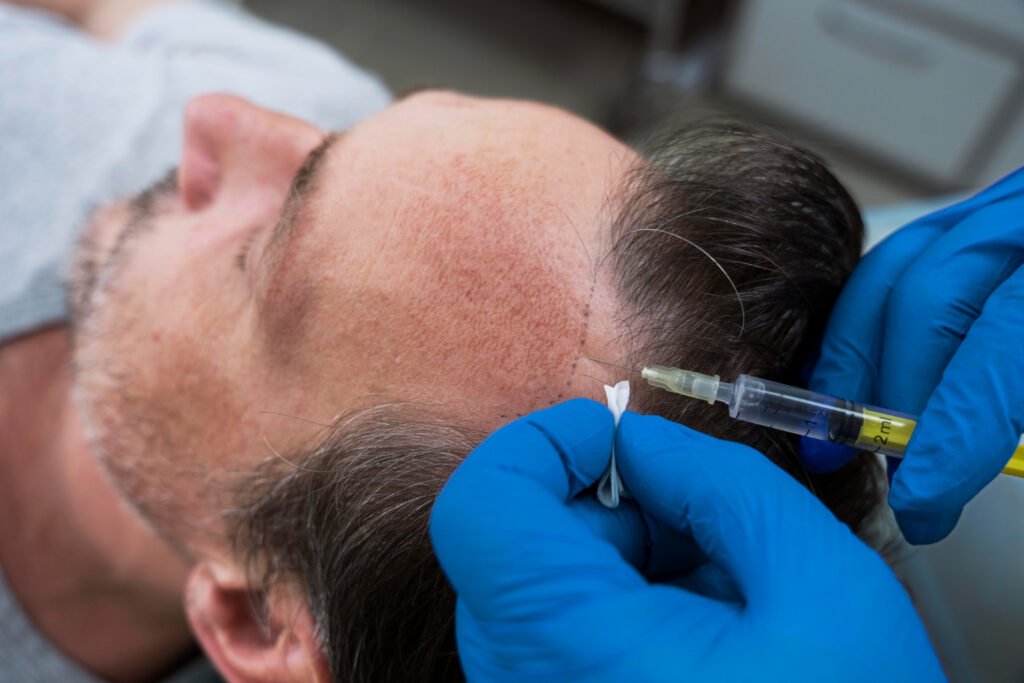
Hair transplant cost is one of the first things people consider when they start thinking about restoring thinning or missing hair. The total price can vary widely because every patient has different hair loss patterns, treatment needs, and restoration goals. A proper consultation is important because the number of grafts, selected procedure, surgeon’s experience, clinic facilities, and required follow-up care can all influence the final expense.
Hair transplantation is a procedure that moves healthy hair follicles from one area of the scalp to another area affected by hair loss. The transplanted follicles are usually taken from a donor area where hair growth is stronger. Once placed into thinning or bald areas, these follicles can produce new hair over time. Understanding the hair transplant cost together with the complete treatment process can help patients make a more informed decision.
Factors That Affect Hair Transplant Cost
Several factors can determine hair transplant cost. The number of grafts required is one of the most important considerations. A person with mild hair thinning may require fewer grafts, while someone with extensive baldness may need a larger number. More grafts generally mean a longer procedure and a higher overall cost.
The technique used for transplantation also affects the price. Common techniques include Follicular Unit Extraction and Follicular Unit Transplantation. Each technique has different requirements and may be recommended according to the patient's hair condition, donor area, and desired outcome.
The experience of the medical team can also influence hair transplant cost. A highly experienced surgeon may charge more because of advanced skills, detailed planning, and experience in creating natural-looking hairlines. Clinic facilities, equipment, staff support, and post-treatment services may also be included in the overall price.
The condition of the donor area is another important factor. Patients with a strong supply of healthy follicles may have more options for achieving satisfactory coverage. When donor hair is limited, treatment planning can become more complex, which may influence the cost.
Common Hair Transplant Techniques
FUE is a widely used hair restoration technique. During FUE, individual follicular units are carefully removed from the donor area and placed into areas experiencing hair loss. Because the follicles are extracted individually, the procedure can provide a natural appearance when properly planned.
FUT is another technique in which a strip of skin containing hair follicles is removed from the donor area. The follicular units are then separated and transplanted into the recipient area. FUT can be suitable for selected patients, particularly when a larger number of grafts may be needed.
The best technique depends on several personal factors. There is no single method that is ideal for everyone. A qualified professional should evaluate the scalp, donor hair, hair loss pattern, age, and long-term expectations before recommending a technique.
What Happens During a Hair Transplant Procedure
The hair transplant procedure usually begins with an assessment of the scalp and discussion of the desired hairline. The treatment area and donor area are marked carefully so the placement of grafts can be planned.
Local anesthesia is generally used to reduce discomfort during the procedure. Hair follicles are then collected from the donor region according to the selected technique. These follicles are prepared before being placed into small openings created in the recipient area.
The angle, direction, and spacing of transplanted follicles are important because they contribute to the final appearance. A carefully designed hairline should complement the patient's facial features while also considering future hair loss.
The length of the procedure depends on the number of grafts and the technique being used. Some treatments may take several hours, while larger procedures can require more time.
Hair Transplant Cost Per Graft
Many clinics calculate hair transplant cost according to the number of grafts required. A graft can contain one or more individual hair follicles. Therefore, the number of grafts is not always the same as the total number of hairs.
A patient requiring a small number of grafts may have a lower overall cost than someone needing extensive coverage. However, choosing treatment based only on the lowest price may not provide the best value. Hair transplantation is a procedure that requires careful planning and technical skill.
Patients should ask what is included in the quoted hair transplant cost. Some packages may include consultation, procedure charges, medicines, follow-up appointments, and aftercare instructions, while others may charge separately for certain services.
Expected Hair Transplant Results
Hair transplant results develop gradually rather than immediately. After transplantation, the newly placed follicles need time to adjust to their new environment. Some transplanted hairs may temporarily shed during the early healing stage. This does not necessarily mean that the treatment has failed.
New growth usually becomes more noticeable over the following months. Hair thickness can continue improving as the transplanted follicles produce stronger and more mature hairs. The final result can take many months to become fully visible.
The quality of the result depends on factors such as the number and health of transplanted follicles, donor hair quality, surgical technique, natural hair growth characteristics, and proper aftercare.
Recovery Time After Hair Transplant
Recovery after a hair transplant is generally gradual. Mild redness, swelling, sensitivity, or small scabs can appear around the treated areas during the early recovery period. These effects usually improve as the scalp heals.
Patients are commonly advised to follow their aftercare instructions carefully. Washing the scalp, sleeping position, physical activity, and exposure to sunlight may need temporary adjustments. Scratching or rubbing the treated area should be avoided because newly transplanted follicles need protection during the healing period.
Most people can gradually return to normal activities according to their individual recovery and the instructions provided by their medical team. Recovery time can differ depending on the procedure, number of grafts, and individual healing response.
How to Choose a Hair Transplant Treatment
When comparing hair transplant cost, patients should consider more than the initial price. The quality of treatment, experience of the medical team, hygiene standards, consultation process, and follow-up support are also important.
A good treatment plan should be based on the patient's actual hair loss rather than a fixed number of grafts. Patients should understand the expected outcome and possible limitations before starting treatment.
It is also useful to discuss future hair loss. Transplanted hair may provide long-lasting growth, but untreated natural hair can continue to thin. A professional may therefore recommend a broader hair restoration plan depending on the individual's situation.
Is Hair Transplant Cost Worth It?
For many people, hair transplantation can be a long-term approach to improving areas affected by permanent hair loss. The value of the procedure depends on the quality of the result, realistic expectations, and appropriate treatment planning.
Instead of selecting a clinic solely because it offers the cheapest hair transplant cost, patients should focus on safe treatment, suitable technique, experienced care, and proper follow-up. A lower initial price may not always represent better value if additional treatment is later required.
Understanding the complete cost before treatment can also help patients plan financially. Asking about consultation charges, graft costs, procedure fees, medicines, aftercare, and follow-up visits can provide a clearer picture of the expected expense.
Final Thoughts on Hair Transplant Cost
Hair transplant cost depends on several factors, including graft requirements, treatment technique, surgeon experience, clinic facilities, donor hair quality, and the complexity of the procedure. Results usually develop gradually, while recovery requires proper scalp care and patience. Anyone considering hair restoration should focus on a personalized treatment plan rather than price alone. With realistic expectations and appropriate professional guidance, hair transplantation can be an effective way to improve hair coverage and create a more natural-looking appearance.
Author Web Page : https://hashclinics.pk/
Comments