Do Citizens of the Democratic Republic of Congo Need a Kuwait eVisa
Traveling to Kuwait offers an exciting experience for tourists, from exploring the modern skyline of Kuwait City to visiting cultural landmarks like the Grand Mosque and Souq Al-Mubarakiya. Citizens from the Democratic Republic of Congo need to secure a Kuwait eVisa for Congo, Democratic Republic Citizens before traveling. This electronic visa simplifies the entry process, allowing travelers to focus on planning their itinerary and enjoying the unique attractions the country has to offer.
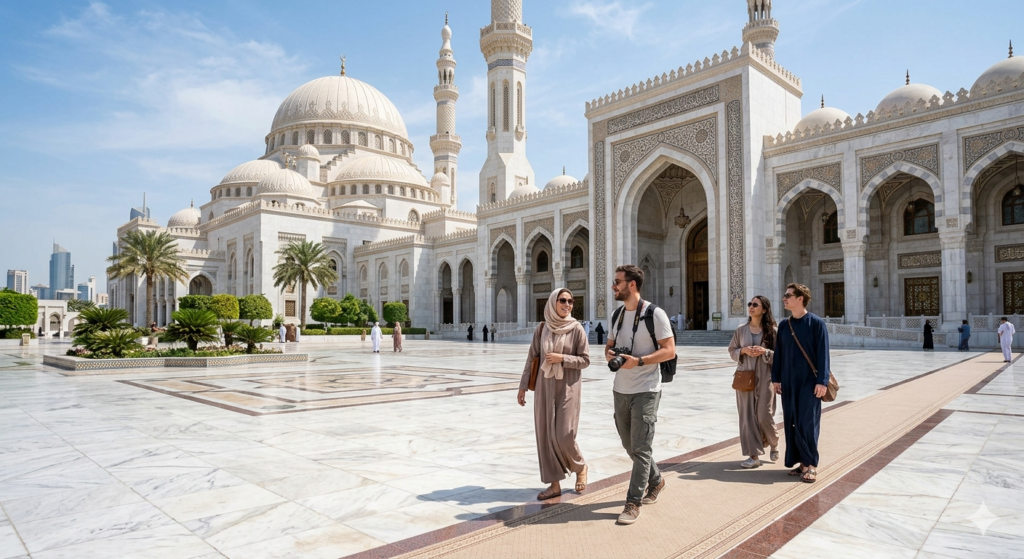
For a smooth visit, tourists should familiarize themselves with Kuwait’s customs, local etiquette, and entry regulations. Having a Kuwait eVisa for Congo, Democratic Republic Citizens ensures legal entry and makes it easier to explore the city’s vibrant markets, waterfronts, and entertainment areas. With the eVisa in hand, travelers can enjoy hassle-free access to Kuwait while immersing themselves in its rich culture, modern amenities, and warm hospitality.
Who is eligible to apply for a Kuwait eVisa?
Not every traveler can apply for a Kuwait eVisa. Eligibility depends on nationality, purpose of visit, and certain travel requirements. Understanding these criteria before applying ensures a smooth application process and prevents rejection at the border.
Key Points:
- Nationality: Citizens of eligible countries can apply for a Kuwait eVisa.
- Do Cook Islands citizens need a Kuwait eVisa
- Kuwait eVisa for Costa Rica citizens
- How to get Kuwait eVisa from Croatia
- Cyprus passport holders Kuwait eVisa guide
- Kuwait eVisa eligibility for Czech Republic travelers
- Passport Requirements: Applicants must hold a passport valid for at least six months from the intended date of entry.
- Purpose of Visit: eVisas are issued for tourism, business trips, or short-term visits. Work or long-term residency is not allowed on a standard eVisa.
- Previous Travel History: Travelers with a clear immigration record are more likely to be approved.
- Online Application: Eligible applicants can submit their details, passport copy, and photos online.
- Financial Means: Proof of sufficient funds may be required to demonstrate the ability to support your stay in Kuwait.
What are the requirements for the Tourist eVisa for GCC Residents?
Citizens of the Democratic Republic of Congo (DRC) residing in GCC countries can apply for a Kuwait Tourist eVisa for GCC Residents to enjoy short-term leisure travel in Kuwait. This eVisa is designed to facilitate tourism while ensuring compliance with rules set by the Kuwaiti Ministry of Interior.
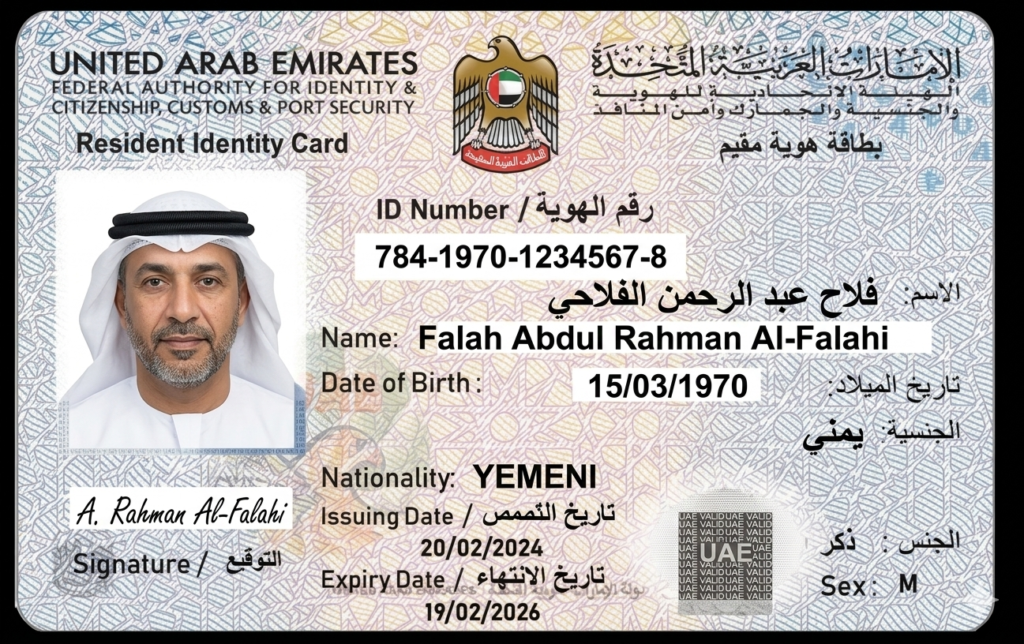
Key Points:
- Stay Duration: The eVisa allows a maximum stay of 30 days in Kuwait.
- Visa Validity: The eVisa must be used within 30 days of issuance; otherwise, it expires.
- Entry Type: This eVisa permits single entry only. Travelers cannot exit and re-enter on the same visa.
- Purpose of Visit: The visa is intended solely for tourism and leisure, not for work or business activities.
- Eligibility: Available specifically for DRC citizens residing in GCC countries, ensuring they meet the residency requirements for application.
Which documents are required for Kuwait eVisa application?
Preparation is the key to a successful digital application. Unlike traditional paper visas, the eVisa requires high-quality digital scans of your personal documents.
- Passport Bio Page Scan: Your DRC passport must have at least six months of validity remaining. The scan must be clear, showing your full name, birth date, and passport number without any glare.
- Applicant Photograph: A recent, passport-sized digital photo with a plain white background. Ensure your face is centered and clearly visible.
- Proof of Accommodation: A confirmed hotel reservation or a letter from a host in Kuwait. This serves as proof of where you will be staying during your 30-day visit.
- GCC Residency Card: A copy of your valid residency permit from your current GCC country of residence.
How long does it take to process a Kuwait eVisa?
The Kuwait eVisa processing time varies depending on how quickly you need your travel authorization. Applicants can choose a processing type that best suits their travel plans. Standard Processing takes 9–12 working days and is ideal for trips planned well in advance. Rush Processing, completed in 6–9 working days, is suitable for last-minute travel. For urgent or emergency visits, Super Rush Processing delivers the eVisa in 3–6 working days. Selecting the right processing option ensures your eVisa is ready in time for your departure, making travel to Kuwait smooth and hassle-free.
How much does the Kuwait eVisa cost?
Understanding the fee structure helps you budget accurately for your trip. The final amount you pay is not a single flat rate but a combination of several factors.
- Visa Cost: This is the official fee mandated by the Kuwaiti issuing authority.
- Service Fee: This covers the professional handling, document verification, and 24/7 support provided during the application process.
- Processing Add-On: If you select the Rush or Super Rush options to speed up your approval, an additional fee is applied.
Which payment methods can I use for the visa fee?
To cater to international travelers, the payment system is flexible. Once you complete your application form, you can choose from several secure payment gateways:
- Debit and Credit Cards: Major providers like Visa, Mastercard, and American Express are accepted.
- Digital Wallets: PayPal is widely available, with other regional wallets appearing based on your location.
- Cryptocurrency: For those who prefer decentralized finance, crypto payments are an integrated option for the eVisa fee.
How to apply for a Kuwait eVisa?
The application process is entirely online and can be completed in four simple steps:
- Fill the Form: Enter your personal details, passport information, and GCC residency data into the online portal.
- Upload Documents: Attach the digital scans of your passport, photo, and proof of accommodation.
- Choose Processing Speed: Select Standard, Rush, or Super Rush based on your timeline.
- Make Payment: Use your preferred card, wallet, or crypto to finalize the request.
Once approved, the eVisa is sent directly to your email. You must print a copy to present to the immigration officer upon arrival at Kuwait International Airport.
What are the immigration rules for Kuwait eVisa holders?
Travelers entering Kuwait with an eVisa must follow specific immigration rules to ensure a smooth and legal stay. Adhering to these regulations helps avoid fines, legal complications, or denial of entry. Understanding the responsibilities of eVisa holders is essential for a safe and trouble-free visit.
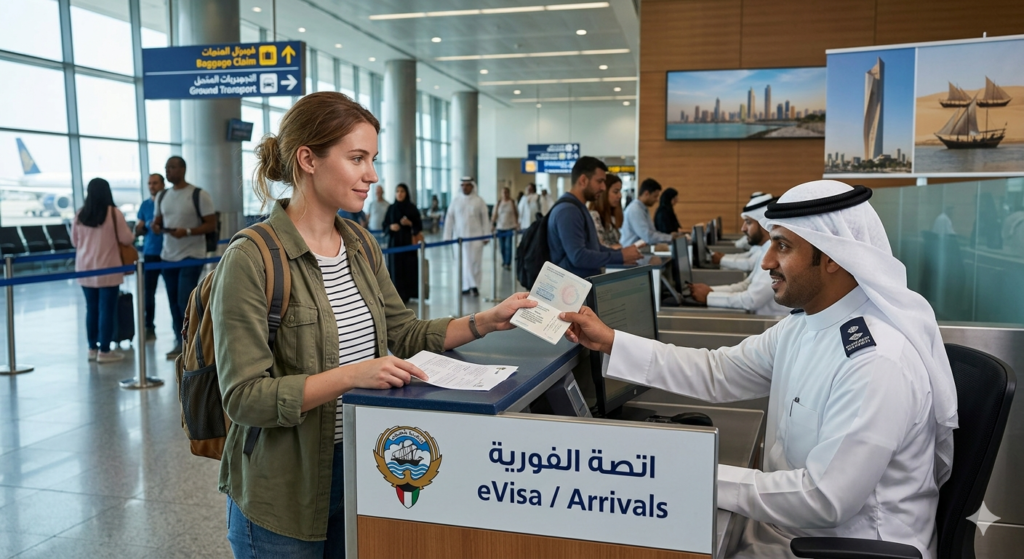
- Document Verification: Upon arrival, authorities may take fingerprints and verify all travel documents.
- Carrying the eVisa: Always keep a printed copy of your eVisa with you throughout your stay.
- Overstaying: Exceeding the 30-day limit can lead to daily fines, legal issues, or bans on future entry.
- Prohibited Items: Kuwait strictly regulates the import of alcohol, pork products, and certain medications. Travelers should check the prohibited items list before packing.
- Compliance: Following immigration rules ensures a smooth entry and exit and avoids complications during your visit.
Can I work in Kuwait on an eVisa?
No, the eVisa is strictly for tourism purposes only. It does not grant the holder the right to seek employment, engage in business contracts, or work for a Kuwaiti company. Engaging in any form of paid work while on a tourist visa is a violation of Kuwaiti labor laws and can lead to immediate deportation and heavy fines. If you intend to work, you must apply for a specific Work Visa through a Kuwaiti employer.
Do I need a transit visa for Kuwait?
Whether you need a transit visa for Kuwait depends on your travel plans and layover duration. Understanding the rules helps avoid legal issues and ensures a smooth connection while traveling through Kuwait International Airport.
- Short Layovers: If you stay within the transit area of the airport for less than 24 hours, a transit visa is generally not required.
- Leaving the Airport: Travelers planning to exit the airport to visit the city or stay in a hotel during a long layover must have a valid entry permit.
- No Specific Transit Visa: Kuwait does not provide a short-term transit visa for all nationalities.
- Safer Option: Applying for a 30-day Kuwait eVisa ensures legal entry and allows you to leave the airport during your layover.
- Travel Planning: Confirm your visa requirements before booking flights to avoid unexpected complications during transit.
Is Kuwait safe for tourists?
Kuwait is generally considered safe for tourists, offering a modern urban environment, well-maintained infrastructure, and friendly local communities. Being aware of local laws, customs, and safety tips ensures a trouble-free visit.
- Low Crime Rate: Violent crime is rare, and most visits are trouble-free. Petty theft can occur, so basic precautions are advised.
- Safe Transport: Public transport and taxis are reliable, and road safety standards are generally good.
- Cultural Awareness: Respecting local customs, dress codes, and religious practices helps avoid misunderstandings.
- Health & Safety: Access to medical facilities is good in urban areas; carrying travel insurance is recommended.
- Women Travelers: Solo female travelers generally report safe experiences, but modest dress and awareness of local norms are advised.
- Travel Alerts: Check for any government-issued travel advisories before visiting.
What religious customs should I know before visiting Kuwait?
Kuwait is a conservative Muslim country, and respect for Islamic traditions is vital for a positive experience.
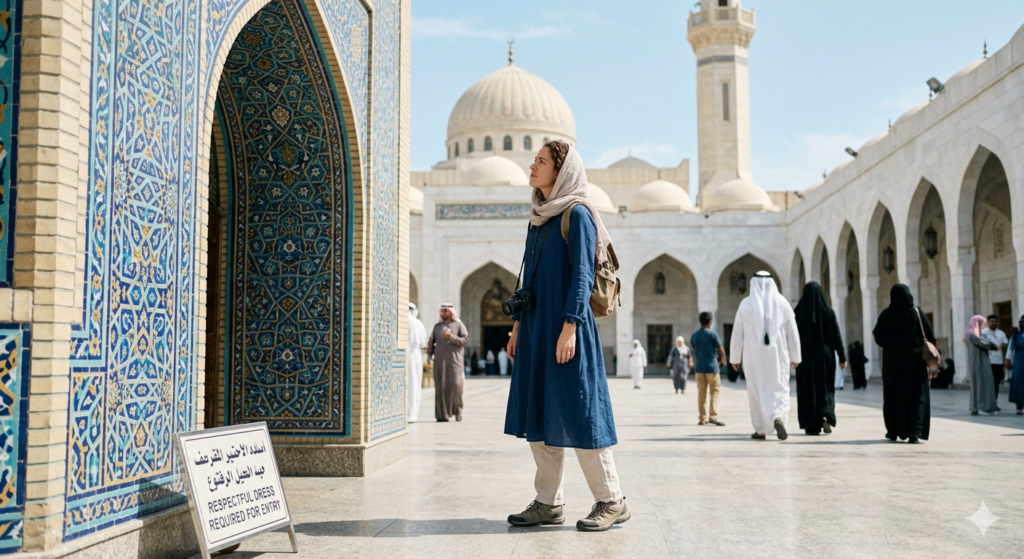
- Dress Code: While there is no legal requirement for women to wear a headscarf, both men and women should dress modestly. This means covering shoulders and knees in public spaces.
- Ramadan: If visiting during the holy month of Ramadan, it is illegal to eat, drink, or smoke in public during daylight hours.
- Public Affection: Physical displays of affection between couples should be kept private to avoid offending local sensibilities.
How much cash should I carry when traveling to Kuwait?
While Kuwait is a modern country with wide access to ATMs and card payment facilities, carrying an appropriate amount of cash is essential for convenience and emergency situations. Understanding local payment practices helps travelers plan their finances effectively.
- Currency Used: The official currency is the Kuwaiti Dinar (KWD), and most transactions are conducted in cash for small purchases.
- Card Acceptance: Credit and debit cards are widely accepted in hotels, restaurants, and shopping malls, but smaller stores or markets may only accept cash.
- ATMs: ATMs are available in major cities, but availability can be limited in remote areas.
- Emergency Cash: Carrying some cash ensures you can pay for taxis, tips, or small purchases if card payments are unavailable.
- Suggested Amount: While the exact amount varies by itinerary, having enough cash to cover daily expenses for the first 2–3 days is recommended.
Can tourists use credit or debit cards in Kuwait?
Yes, Kuwait is a highly digitized society. Most shopping malls, international hotel chains, fine-dining restaurants, and even mid-sized grocery stores accept international Visa and Mastercard. However, ensure you notify your bank of your travel plans to avoid your card being flagged for suspicious activity. Always carry a secondary card or some cash just in case a smaller vendor’s machine is down.
Can I get a SIM card as a tourist in Kuwait?
Tourists visiting Kuwait can easily obtain a local SIM card to stay connected during their trip. Understanding the process, requirements, and available options helps ensure seamless communication while traveling.
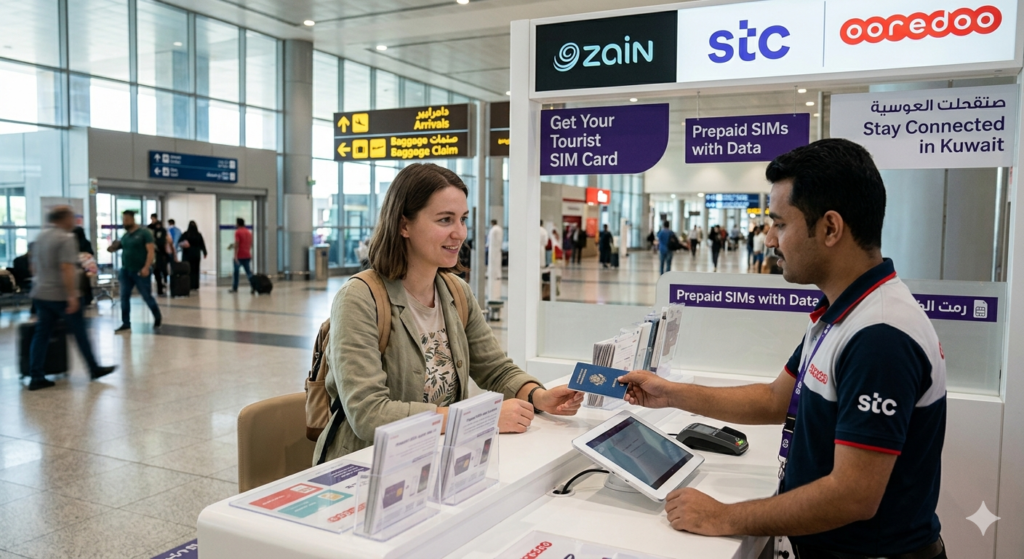
- Availability: SIM cards are widely available at airports, mobile operator stores, and authorized retail outlets.
- Required Documents: Tourists must provide a valid passport and sometimes a visa for registration.
- Prepaid Plans: Most SIM cards for tourists come with prepaid data, calls, and SMS packages suitable for short-term stays.
- Top Operators: Popular telecom providers include Viva, Zain, and Ooredoo, offering competitive tourist-friendly packages.
- Activation: SIM cards are typically activated immediately, allowing tourists to start using mobile services without delay.
Is internet access widely available for tourists in Kuwait?
Yes, internet access is widely available for tourists in Kuwait. The country has a top-tier internet infrastructure, with most hotels, cafes, and shopping malls offering free high-speed Wi-Fi. Kuwait also has excellent 5G coverage, and tourists with a local SIM card can enjoy reliable connectivity even in remote areas. While using a VPN is common, travelers should ensure they follow local regulations when accessing online services. This makes staying connected during your visit convenient and hassle-free.
Conclusion:
Traveling from the Democratic Republic of the Congo to Kuwait is an exciting prospect, especially with the convenience of the digital eVisa system. By ensuring your GCC residency is in order and your documents are prepared, the application process becomes a minor step in a much larger adventure. From the iconic Kuwait Towers to the sprawling Avenues Mall, the country offers a unique blend of heritage and high-end luxury. Remember to respect local customs, stay within the 30-day validity of your visa, and keep a digital backup of all your travel documents. With proper planning, your visit to this "Pearl of the Gulf" will be as smooth as it is memorable.
Comments