Comprehensive Guide to Cement Coating and Cement Lining
Introduction
In today’s industrial and infrastructure landscape, protecting surfaces from corrosion, abrasion, and chemical exposure is essential for long-term performance. Two widely used protective solutions are Cement Coating and Cement Lining. These techniques are highly effective in enhancing durability, especially in pipelines, storage tanks, and water systems. This article provides a detailed understanding of both processes, their benefits, applications, and why they are important for modern industries.
What is Cement Coating?
Cement Coating is a protective layer applied externally to surfaces such as pipelines, concrete structures, and metal components. It acts as a barrier against environmental factors like moisture, chemicals, and temperature variations. This coating is typically made using a mixture of cement, sand, and water, sometimes combined with additives to improve bonding and strength.
Cement coating is widely used in industries where structures are exposed to harsh outdoor conditions. It not only protects the surface but also increases the lifespan of the asset by preventing corrosion and physical damage.
Benefits of Cement Coating
Cement coating offers several advantages that make it a preferred choice in many industries:
Corrosion Resistance: It protects metal surfaces from rust and environmental damage.
Durability: Provides long-lasting protection even in extreme weather conditions.
Cost-Effective: Compared to other coating solutions, it is economical and easy to apply.
Thermal Insulation: Helps maintain temperature stability in pipelines.
Eco-Friendly: Made from natural materials, making it environmentally safe.
What is Cement Lining?
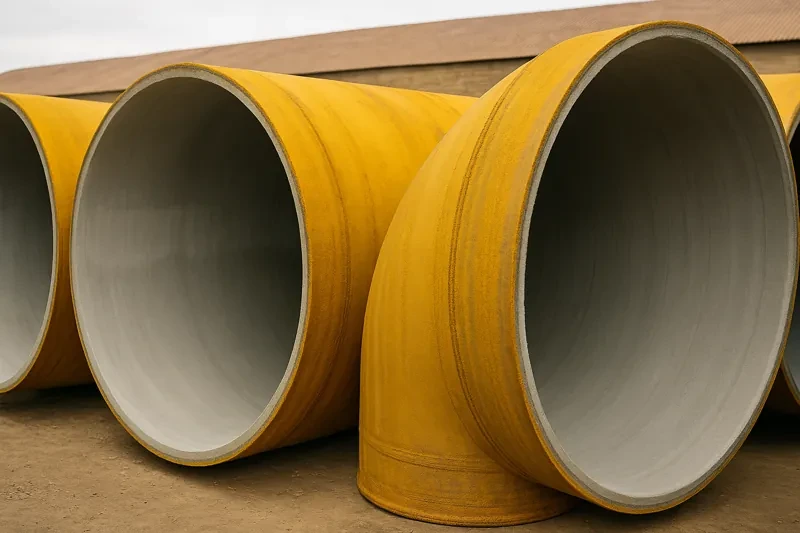
Cement Lining is the process of applying a cement-based layer to the internal surface of pipelines, tanks, or other structures. This lining acts as a protective barrier that prevents direct contact between the transported material and the surface of the pipe or container.
It is commonly used in water supply systems, sewage pipelines, and industrial fluid transport systems. Cement lining ensures that the inner surface remains smooth and free from corrosion, improving the efficiency of flow.
Advantages of Cement Lining
Cement lining plays a crucial role in maintaining the integrity of pipelines and systems:
Prevents Internal Corrosion: Protects pipes from rust and chemical reactions.
Improves Flow Efficiency: Smooth internal surfaces reduce friction and enhance flow rate.
Maintains Water Quality: Ideal for potable water systems as it does not contaminate the fluid.
Long Service Life: Extends the lifespan of pipelines and reduces maintenance costs.
Resistance to Chemical Attack: Suitable for various industrial applications involving chemicals.
Key Applications of Cement Coating and Cement Lining
Both Cement Coating and Cement Lining are used across multiple industries due to their reliability and effectiveness.
1. Water Supply Systems
Cement lining is extensively used in water pipelines to maintain water purity and prevent contamination. Cement coating, on the other hand, protects the outer surface of the pipes from environmental damage.
2. Oil and Gas Industry
In the oil and gas sector, pipelines are exposed to extreme conditions. Cement coating protects the outer layer, while cement lining ensures smooth internal flow and prevents corrosion.
3. Sewage and Wastewater Treatment
Cement lining is highly effective in sewage systems as it resists chemical reactions and prevents pipe deterioration over time.
4. Industrial Infrastructure
Factories and processing plants use cement coating and lining to protect tanks, vessels, and pipelines from wear and tear caused by chemicals and temperature fluctuations.
Process of Cement Coating and Lining
The application process is critical to ensure effectiveness and durability.
Cement Coating Process
Surface preparation by cleaning and removing rust or contaminants.
Application of bonding agents if required.
Even application of the cement mixture on the surface.
Proper curing to achieve maximum strength and durability.
Cement Lining Process
Internal cleaning of pipelines to remove debris and corrosion.
Application of cement mortar using specialized equipment.
Rotation or spreading to ensure uniform thickness.
Curing process to strengthen the lining.
Difference Between Cement Coating and Cement Lining
Although both methods use cement-based materials, their purpose and application differ:
Cement Coating is applied externally for protection against environmental factors.
Cement Lining is applied internally to protect against corrosion and improve flow efficiency.
Understanding this difference helps industries choose the right solution based on their specific needs.
Conclusion
Both Cement Coating and Cement Lining are essential techniques for protecting infrastructure and ensuring long-term performance. They provide excellent resistance against corrosion, enhance durability, and reduce maintenance costs across various industries. Whether it is for water pipelines, industrial tanks, or sewage systems, these solutions offer reliable protection and efficiency.
For high-quality and reliable solutions in this domain, Heatman Products stands out as a trusted name, delivering advanced coating and lining services that meet industry standards and ensure long-lasting performance.
Comments